
In the world of cycling, few names evoke as much respect for innovation and performance as Cannondale. Among their standout offerings, the Cannondale CAAD series has long been a benchmark for aluminum road bikes, blending cutting-edge engineering with affordability. Whether you’re a seasoned racer or a weekend enthusiast, this line of bikes promises a thrilling ride that punches above its weight class. In this comprehensive guide, we’ll dive deep into what makes these machines special, from their storied past to modern features that keep them competitive in a carbon-dominated market.
The Origins and Evolution of Aluminum Mastery
The story of the Cannondale CAAD begins in the early days of the brand’s foray into high-performance cycling. Founded in 1971, Cannondale quickly made waves by challenging traditional materials like steel with oversized aluminum frames. Their first road frame hit the market in 1983, priced at a modest $350 including the fork, which featured steel construction with helical reinforcements for added strength. This bold move set the stage for what would become a legacy of pushing boundaries.
By the 1990s, Cannondale was refining their aluminum expertise. In 1992, they introduced the 2.8 series frame, but it was the launch of the CAAD3 in 1997 that truly marked the birth of the series as we know it. CAAD, standing for Cannondale Advanced Aluminum Design, represented a quantum leap in frame technology. These bikes featured oversized tubing that provided superior stiffness and lightness compared to earlier models like the 2.8 and 3.0 series. Riders appreciated the responsive handling and power transfer, making them favorites in competitive scenes, including appearances at the Tour de France where oversized aluminum frames turned heads.
As the years progressed, the lineup evolved with each iteration bringing refinements. The CAAD4 and CAAD5 models, for instance, focused on weight reduction and improved ride comfort, appealing to riders who valued a balance between aggression and endurance. Enthusiasts often debate the nuances between versions, with some preferring the raw feel of earlier frames like the CAAD3 for their simplicity and durability. By the time the CAAD9 arrived, it had become a symbol of American manufacturing prowess, with the last U.S.-made versions holding collector’s value today.
Fast forward to the present, and the CAAD13 stands as the pinnacle of this evolution. For nearly four decades, these bikes have set the standard for high-performance aluminum frames, with the latest model being hailed as the most advanced yet. The name “CAAD13” cleverly nods to aluminum being the 13th element on the periodic table, underscoring Cannondale’s deep-rooted expertise in the material. This progression isn’t just about nostalgia; it’s a testament to how aluminum can rival carbon in many aspects when engineered right.
Cutting-Edge Features That Define Performance
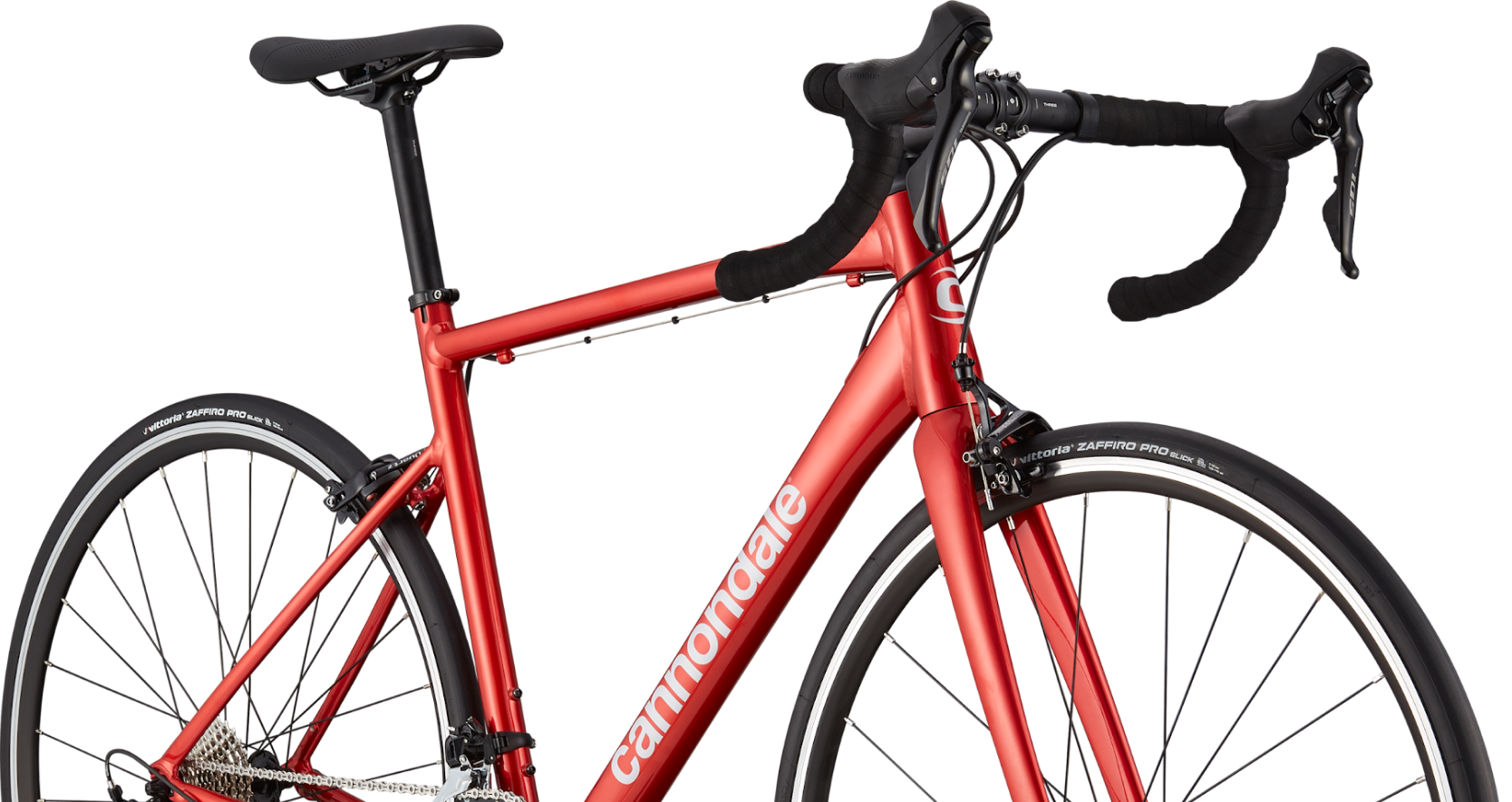
What sets the Cannondale CAAD apart is its relentless focus on technology that enhances speed, comfort, and versatility. At the heart of modern models like the CAAD13 is “Speed Metal” technology, which incorporates truncated airfoil tube shapes to reduce drag by up to 30% compared to traditional round tubes. This aerodynamic edge makes the bike feel faster on flats and descents, ideal for racers chasing personal bests.
The frames are crafted from premium alloys, such as 6069 in older models like the CAAD10, chosen for their strength, elasticity, and ease of shaping. This results in a lightweight yet robust structure that outperforms many entry-level carbon bikes. Ride quality is another highlight—dropped seat stays and integrated compliance features absorb road vibrations, making long rides less fatiguing. Handling is razor-sharp, with geometry that encourages an aggressive posture for cornering and sprinting.
Versatility shines through in practical details. The CAAD13 offers clearance for up to 30mm tires, allowing riders to tackle mixed surfaces from smooth pavement to light gravel. Fender compatibility and Speed Release thru-axles add everyday usability, making it a great choice for commuters or all-weather adventurers. Compared to more rigid race bikes, this balance makes the series appealing for a broad audience.
In terms of components, models vary but often include reliable groupsets from Shimano or SRAM. For example, entry-level options like the CAAD Optimo 4 come with Shimano Claris, while higher-end versions boast Ultegra or Force. Wheels and brakes are tuned for efficiency, with disc options in newer iterations providing superior stopping power in wet conditions.
Spotlight on Popular Models: From Entry-Level to Pro
The Cannondale CAAD lineup caters to different budgets and skill levels, ensuring there’s something for everyone. Let’s break down some standout models based on rider feedback and expert reviews.
Starting with the CAAD Optimo series, it’s an excellent gateway into performance cycling. The Optimo 4, for instance, delivers a race-like feel at an affordable price, with a frame that behaves much like pricier options. It’s not the lightest climber, but its value shines in flat and rolling terrain. Riders praise its stability and the way it handles like a more expensive bike, making it ideal for beginners or those upgrading from hybrids.
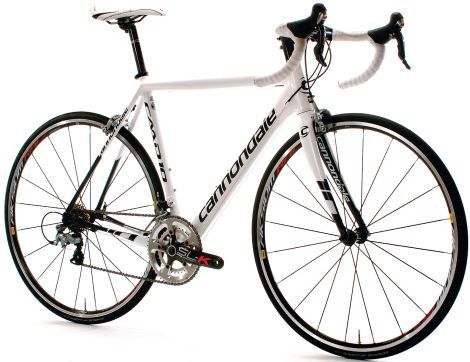
Moving up, the CAAD10 era marked a shift toward subtlety and refinement. Models like the CAAD10 3 Ultegra offered a smooth, elastic ride thanks to advanced alloy processing. The Racing Edition was particularly lauded for circuit racing, with geometry that promotes quick handling and explosive acceleration. Compared to earlier aggressive designs, it struck a better balance for mixed use.
The CAAD12 took things further by sharing carbon fork tech with Cannondale’s premium Evo line, blending stiffness and comfort seamlessly. Reviewers noted its all-around prowess, suitable for racing one day and touring the next.
At the top sits the CAAD13, which mimics the aesthetics and performance of carbon superbikes. Its added compliance makes it versatile for gravel or rough roads, outperforming predecessors in comfort without sacrificing speed. If you’re eyeing a dream build, enthusiasts even speculate on a CAAD14 wishlist, hoping for further aero tweaks and integration.

Pros, Cons, and Real-World Insights
No bike is perfect, and the Cannondale CAAD series is no exception. On the plus side, its aluminum construction offers unbeatable value—lightweight frames that rival carbon in stiffness but at a fraction of the cost. Durability is a key strength; these bikes withstand crashes and daily abuse better than fragile composites. The ride is often described as “lively” and engaging, with excellent power transfer that makes climbs and sprints rewarding.
However, aluminum can transmit more road buzz than carbon, though modern compliance features mitigate this. Weight is another consideration; while optimized, they’re not as featherlight as top-tier carbon models, which might matter for hill-heavy routes. Geometry varies—earlier models like the CAAD8 leaned aggressive, suiting racers, while later ones offer more upright options for comfort.User experiences from cycling communities highlight the series’ appeal. On forums, owners of CAAD5 frames rave about their timeless firmness, ideal for spirited rides. Recent X posts show riders using CAAD13 for commutes and adventures, praising its reliability in wind and varied weather. One enthusiast even customized an Optimo 3 with carbon wheels for enhanced performance.
A Buyer’s Guide: Choosing and Maintaining Your Ride
If you’re considering a Cannondale CAAD, start by assessing your needs. For entry-level, the Optimo series around $1,000-$1,500 offers great bang for the buck. Mid-range like the CAAD13 can run $2,000+, with custom builds pushing higher. Check sizing—frames range from 44cm to 62cm, and a professional fit is crucial for comfort.
Maintenance is straightforward: Regular cleaning, chain lubrication, and brake checks keep it running smoothly. Aluminum’s resilience means less worry about minor dings, but inspect welds periodically. Upgrades like lighter wheels or electronic shifting can transform the bike.
Where to buy? Official dealers or online retailers like Cannondale’s site ensure authenticity. Look for sales on models like the CAAD8 Tiagra for budget-friendly options.

Why It Remains a Timeless Choice
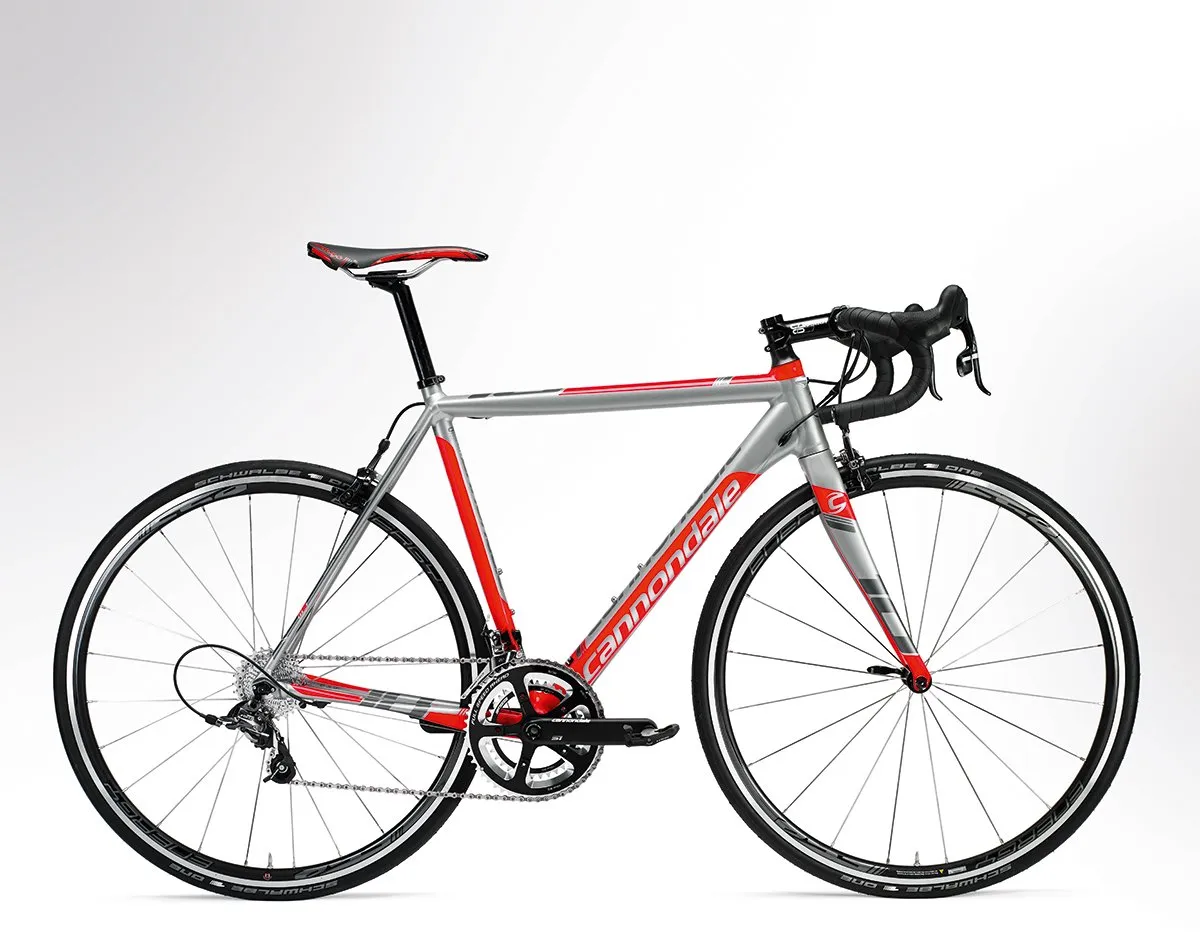
In an era where carbon reigns supreme, the Cannondale CAAD proves that aluminum still has a place in high-performance cycling. Its blend of history, innovation, and real-world usability makes it a favorite among riders who value substance over hype. Whether tackling a gran fondo, commuting through city streets, or simply enjoying the open road, this series delivers an exhilarating experience that’s hard to beat.
If you’re ready to experience the thrill, explore the latest models and see how this iconic line can elevate your rides. With ongoing refinements, the future looks bright for aluminum enthusiasts everywhere.
 German
  English