
The Ultimate Guide to the Cannondale Lefty Bicycle: Innovation, Performance, and Trail Mastery
In the world of mountain biking and gravel riding, few innovations have sparked as much intrigue and loyalty as the Cannondale Lefty bicycle. This unique design, featuring a single-sided front suspension fork, has redefined what riders expect from their bikes in terms of lightness, stiffness, and control. Whether you’re a seasoned trail enthusiast or a newcomer exploring off-road adventures, understanding the Cannondale Lefty bicycle can help you appreciate its engineering marvel and decide if it’s the right fit for your riding style. In this comprehensive guide, we’ll dive deep into its history, features, models, pros and cons, maintenance tips, and real-world reviews, all while highlighting why this bicycle continues to stand out in a crowded market.
The Cannondale Lefty bicycle isn’t just another bike; it’s a testament to bold engineering that challenges traditional norms. With its asymmetrical fork design, it promises reduced weight without sacrificing performance, making it a favorite among cross-country racers and adventure seekers alike. Let’s explore what makes the Cannondale Lefty bicycle a game-changer.
A Brief History of the Cannondale Lefty Bicycle
The story of the Cannondale Lefty bicycle begins with Cannondale Bicycle Corporation, founded in 1971 in Wilton, Connecticut, by Joe Montgomery and Murdock MacGregor. Initially focused on precast concrete housing, the company pivoted to outdoor gear like bicycle trailers and backpacks before entering the bicycle manufacturing scene. By the 1980s, Cannondale had made a name for itself with innovative aluminum frames, thanks to advancements in jigging and welding techniques developed by engineer Todd Patterson.
The real breakthrough for the Cannondale Lefty bicycle came in 1992 with the introduction of the Delta V fork, which featured about 45-50mm of travel. This early design moved the spring and damper into the head tube, away from the fork legs, providing a stiffer and more responsive ride using oil-damped air springs and needle bearings. This innovation evolved into the Headshok system in 1994, incorporating an oversized headtube for better handling. By 1995, models like the F series showcased this technology, helping rider Alison Sydor secure three cross-country world championships from 1994 to 1996.
The full Cannondale Lefty bicycle suspension as we know it debuted around the early 2000s, with models like the Jekyll in 2001 pairing the Lefty fork with full-suspension frames. Over the years, the design has been refined, with longer travel options up to 160mm by 2016, catering to more aggressive trail riding. Today, the Cannondale Lefty bicycle represents a blend of heritage and cutting-edge tech, continually updated to meet modern demands.
Key Features and Technology Behind the Cannondale Lefty Bicycle
What sets the Cannondale Lefty bicycle apart is its signature single-sided fork, often called the Lefty Ocho or similar variants. Unlike traditional dual-legged forks, this design uses a one-piece carbon fiber steerer tube, crown, and upper leg, which appears massive yet delivers exceptional lightness and rigidity. The asymmetry might seem odd at first, but it’s engineered to withstand bending forces effectively, thanks to physics and precise construction.
At the heart of the Cannondale Lefty bicycle is the needle-bearing system, which reduces friction for smoother travel. Models like the Lefty Ocho feature 100mm to 120mm of travel, ideal for XC racing, with adjustable damping and lockout options for climbing efficiency. The fork’s integration into the frame minimizes unsprung weight, improving responsiveness on rough terrain.
Other standout features include:
- Lightweight Construction: Carbon fiber options make the fork up to 250g lighter than comparable dual-crown forks.
- Stiffness and Control: The single-leg design provides torsional rigidity, ensuring precise steering even under heavy loads.
- Easy Maintenance: With fewer moving parts exposed, it’s less prone to dirt buildup, though it requires specific tools for servicing.
- Compatibility: Designed for Cannondale frames but adaptable to some aftermarket setups.
For gravel enthusiasts, the Cannondale Lefty bicycle extends to models like the Oliver Lefty Carbon fork, offering 30mm of travel for smoother rides on uneven roads. Its fast-bump response is rapid and balanced, handling big hits without bottoming out harshly.
To visualize the intricate design, here’s a close-up of the Lefty fork in action.

This image highlights the carbon fiber construction and the unique strut that makes the Cannondale Lefty bicycle so distinctive.
Popular Models of the Cannondale Lefty Bicycle
Cannondale offers a range of Lefty-equipped bikes, from XC racers to gravel grinders. Here are some standout models:
Cannondale Scalpel Lefty Series
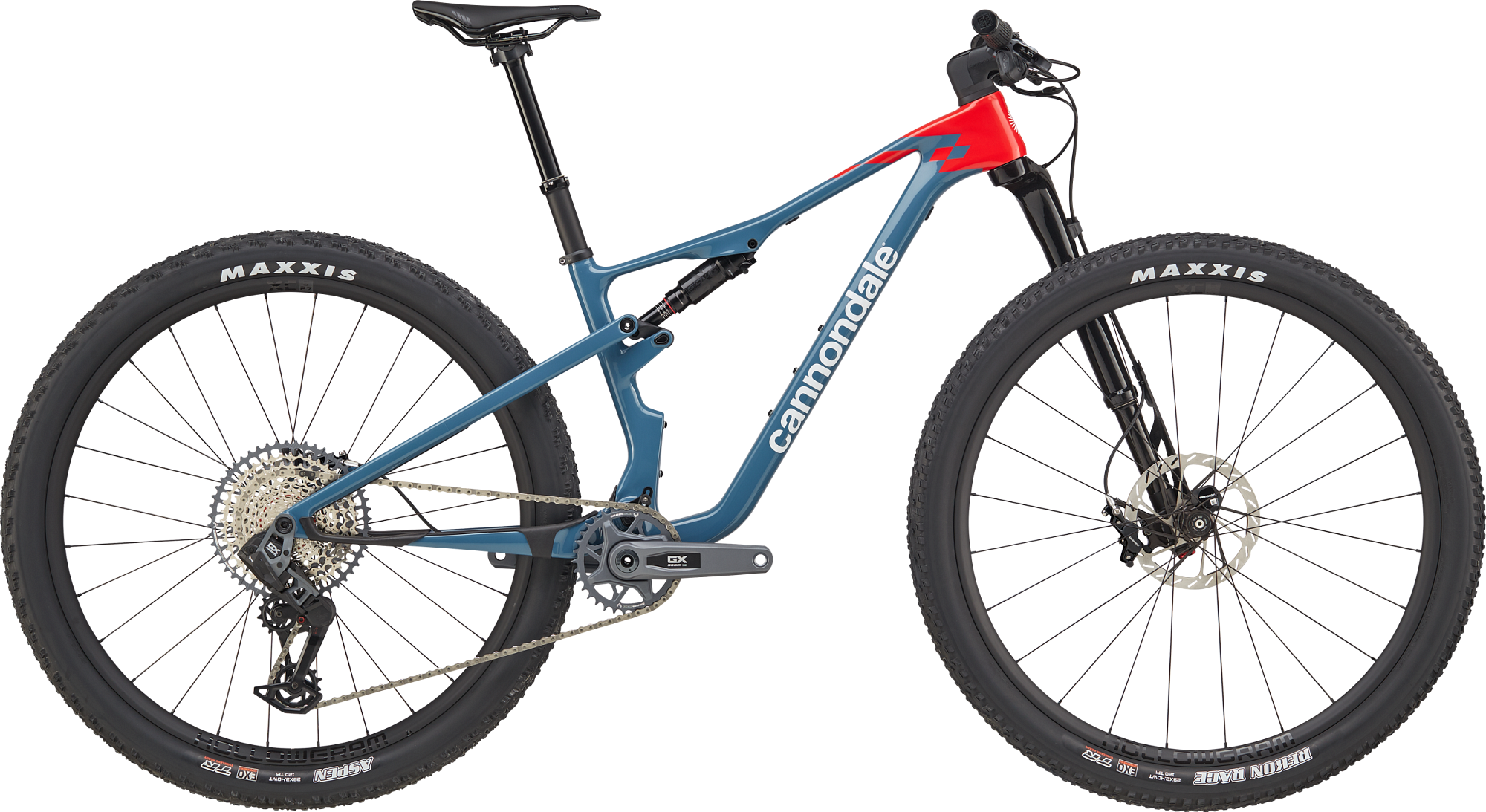
The Scalpel is a full-suspension XC bike that’s been updated for more travel and stability. The Scalpel 2 Lefty, for instance, features 120mm front and rear travel, a lightweight carbon frame, and components like Shimano XT for reliable shifting. It’s built for speed on technical trails, with geometry that encourages aggressive descending while maintaining climbing prowess.
Take a look at the Scalpel 2 Lefty in its full glory:
Cannondale Topstone Carbon Lefty
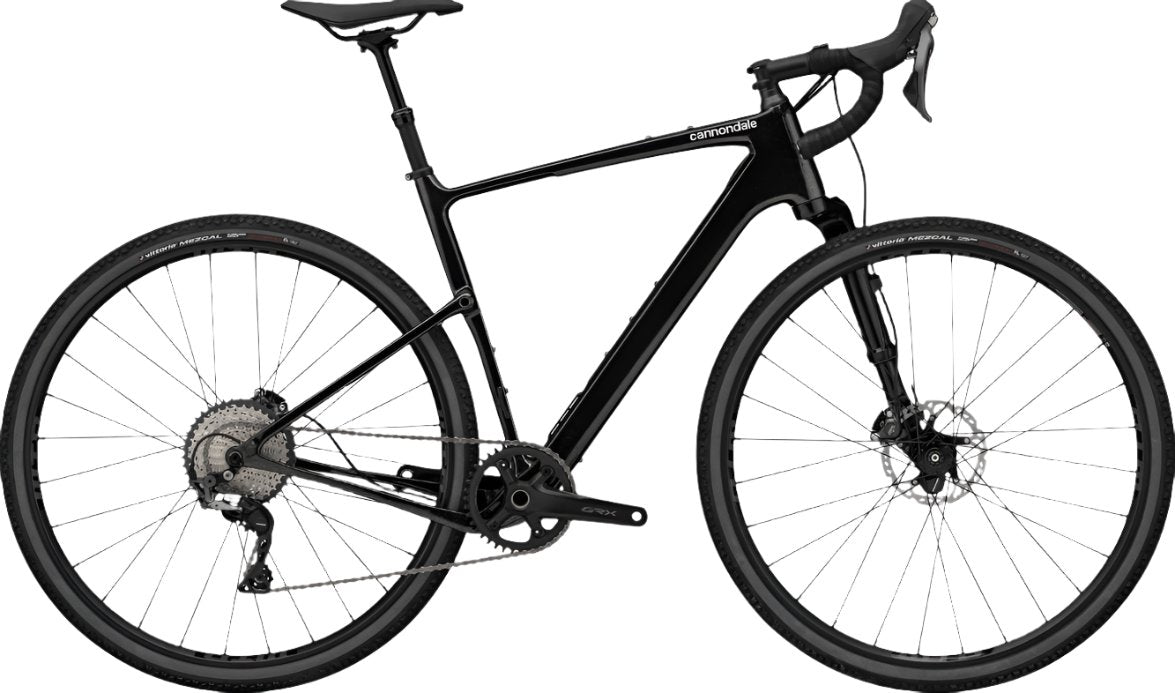
For gravel riding, the Topstone Carbon 2 Lefty combines the Lefty Oliver fork with a carbon frame and Kingpin rear suspension for 30mm of rear travel. Equipped with Shimano GRX 11-speed, it’s perfect for long-distance adventures on mixed surfaces. Riders praise its comfort and versatility, making it a top choice for bikepacking or commuting.
Here’s the Topstone Carbon 2 Lefty ready for the road:
Cannondale F-Si with Lefty Ocho
The F-Si hardtail is a pure XC machine, featuring the Lefty Ocho fork with 100mm travel. Its carbon frame uses BallisTec technology for durability, and it’s often seen in World Cup races. The 2024 updates include slacker head angles for better handling.
Other models like the Jekyll and older F800 CAAD5 offer variations for enduro or vintage enthusiasts.
Pros and Cons of Owning a Cannondale Lefty Bicycle
Like any specialized gear, the Cannondale Lefty bicycle has its strengths and drawbacks.
Pros:
- Weight Savings: Significantly lighter than traditional forks, aiding in faster accelerations and easier climbs.
- Superior Stiffness: Excellent for precise control on technical sections.
- Unique Aesthetics: Stands out on the trail, often sparking conversations.
- Reliability: Many users report it as dependable as regular forks, with minimal issues when maintained.
- Versatility: Suitable for XC, trail, and gravel riding.
Cons:
- Service Challenges: Requires specialized tools and knowledge; not every bike shop is equipped to handle it.
- Higher Cost: Premium pricing due to innovative design.
- Asymmetric Feel: Some riders need time to adjust to the handling.
- Limited Compatibility: Best with Cannondale frames; aftermarket options are scarce.
- Potential for Heavier Bending Forces: The single-leg must endure more stress, though modern designs mitigate this.
Overall, the pros outweigh the cons for dedicated riders who value performance over convenience.
Maintenance Tips for Your Cannondale Lefty Bicycle
Keeping your Cannondale Lefty bicycle in top shape ensures longevity and optimal performance. Start with regular cleaning: Use a soft brush to remove dirt from the fork’s seals, avoiding high-pressure washers that could force contaminants inside.
For the Lefty fork, check air pressure monthly—typically 80-120 PSI depending on rider weight—and rebound settings for your terrain. Cannondale recommends servicing every 50-100 hours of riding, including oil changes and bearing inspections. If you hear unusual noises, it might indicate worn needle bearings, which are replaceable but require a qualified mechanic.
Tire maintenance is crucial too; opt for tubeless setups to reduce weight and punctures. Lubricate the chain and check brake pads frequently, especially after muddy rides. For storage, hang the bike by the frame to avoid stressing the fork.
By following these tips, your Cannondale Lefty bicycle will deliver years of reliable service.
Riding Experience and User Reviews of the Cannondale Lefty Bicycle
Riders often describe the Cannondale Lefty bicycle as “tight and normal” in steering, with no noticeable flex despite the single-sided design. On trails, it excels in absorbing bumps while maintaining speed, as seen in reviews of the Lefty Ocho on XC courses.
One user on forums noted riding it “way harder than I should” without issues, praising its lightness. Gravel models like the Oliver receive acclaim for balanced response on rough roads. However, some mention the learning curve for maintenance.
Imagine tackling a muddy trail on a Cannondale Lefty bicycle:
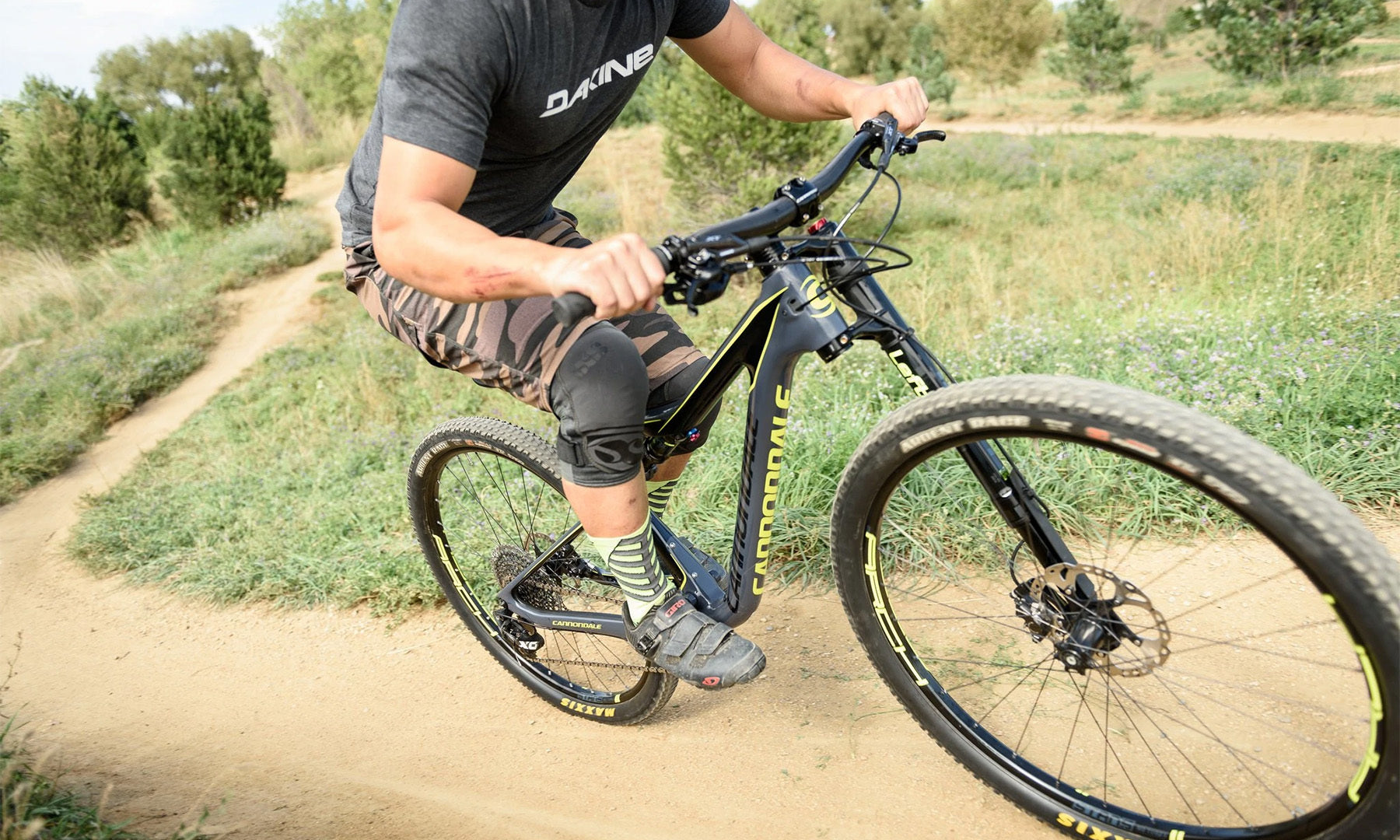
This captures the thrill of pushing the limits on varied terrain.
Another shot from a World Cup-style ride:

How the Cannondale Lefty Bicycle Compares to Competitors
Compared to brands like Fox or RockShox with dual-legged forks, the Cannondale Lefty bicycle offers weight advantages but at a premium price. For instance, a standard Fox 32 might weigh more but is easier to service universally. Trek’s IsoStrut or Specialized’s Future Shock provide similar compliance but lack the Lefty’s iconic look.
In XC racing, the Scalpel Lefty holds its own against the Scott Spark or Giant Anthem, often edging out in stiffness. For gravel, it competes with the Salsa Warbird or Cervelo Aspero, where the Lefty’s suspension gives an edge on rough paths.
Ultimately, if innovation and performance are priorities, the Cannondale Lefty bicycle shines.
Conclusion: Is the Cannondale Lefty Bicycle Right for You?
The Cannondale Lefty bicycle embodies a perfect fusion of history, technology, and rider-focused design. From its origins in the 1990s to today’s advanced models, it continues to push boundaries in the cycling world. Whether you’re racing XC trails, exploring gravel roads, or seeking a unique ride, this bicycle offers unmatched lightness and control.
If you’re ready to experience the difference, consider test-riding a Cannondale Lefty bicycle at your local dealer. With proper care, it could become your go-to companion for countless adventures. Ride on!
 English
  German