
The Ultimate Guide to the Cannondale Jekyll: Enduro Mountain Bike Mastery
In the world of mountain biking, few names evoke as much excitement and respect as the Cannondale Jekyll. This iconic enduro bike has been a staple for riders seeking adrenaline-fueled descents and capable all-around performance on rugged trails. Whether you’re an experienced enduro racer tackling steep, technical lines or a weekend warrior exploring bike parks, the Cannondale Jekyll stands out with its innovative design and proven track record. In this comprehensive blog post, we’ll dive deep into everything you need to know about the Cannondale Jekyll, from its rich history to detailed specs, real-world performance, and why it might be the perfect addition to your garage.
A Brief History of the Cannondale Jekyll: Evolution of an Enduro Legend
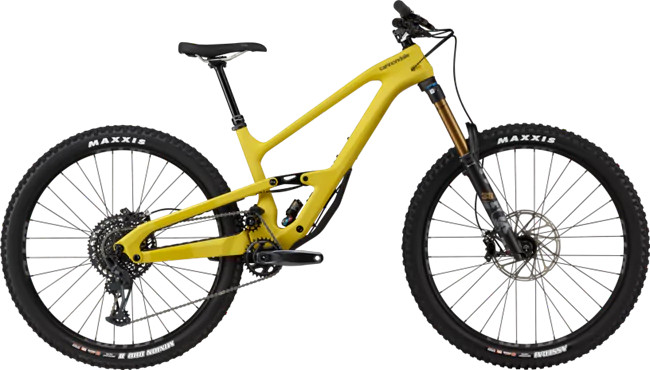
The story of the Cannondale Jekyll begins in the early 2000s, when it was first introduced as a versatile all-mountain bike. At a time when mountain biking was rapidly evolving, Cannondale aimed to create a machine that could handle a variety of terrains without compromising on speed or control. Drawing inspiration from its namesake—the dual-natured Dr. Jekyll and Mr. Hyde—the bike was designed to be tame and efficient on climbs while transforming into a beast on descents.
Over the years, the Cannondale Jekyll has undergone significant transformations. In 2011, Cannondale revived the model, positioning it in a new “OverMountain” category that emphasized all-purpose capability with advanced suspension tech. This iteration featured innovative elements like a pull-shock system and Lefty fork, setting it apart from competitors. By 2017, updates included a switch to more conventional Fox suspension components, replacing proprietary designs for broader appeal and easier maintenance.
The most recent evolution came with the 2022 Cannondale Jekyll, which introduced a high-pivot rear suspension layout paired with a unique “Guidler” idler pulley system. This redesign marked a bold step forward, addressing modern enduro demands for better traction, reduced pedal kickback, and enhanced stability at high speeds. No longer just an all-mountain bike, the current Cannondale Jekyll is firmly planted in the enduro racing scene, with input from pros like EWS winner Jerome Clementz influencing its development. From its early prototypes tested on Downhill World Cup tracks to today’s carbon-fiber powerhouse, the Cannondale Jekyll has consistently pushed boundaries, earning podiums in the early days of the Enduro World Series (EWS) before a brief hiatus in 2017. Its return has reignited interest, proving that this bike’s legacy is far from over.
Innovative Design and Key Features of the Cannondale Jekyll
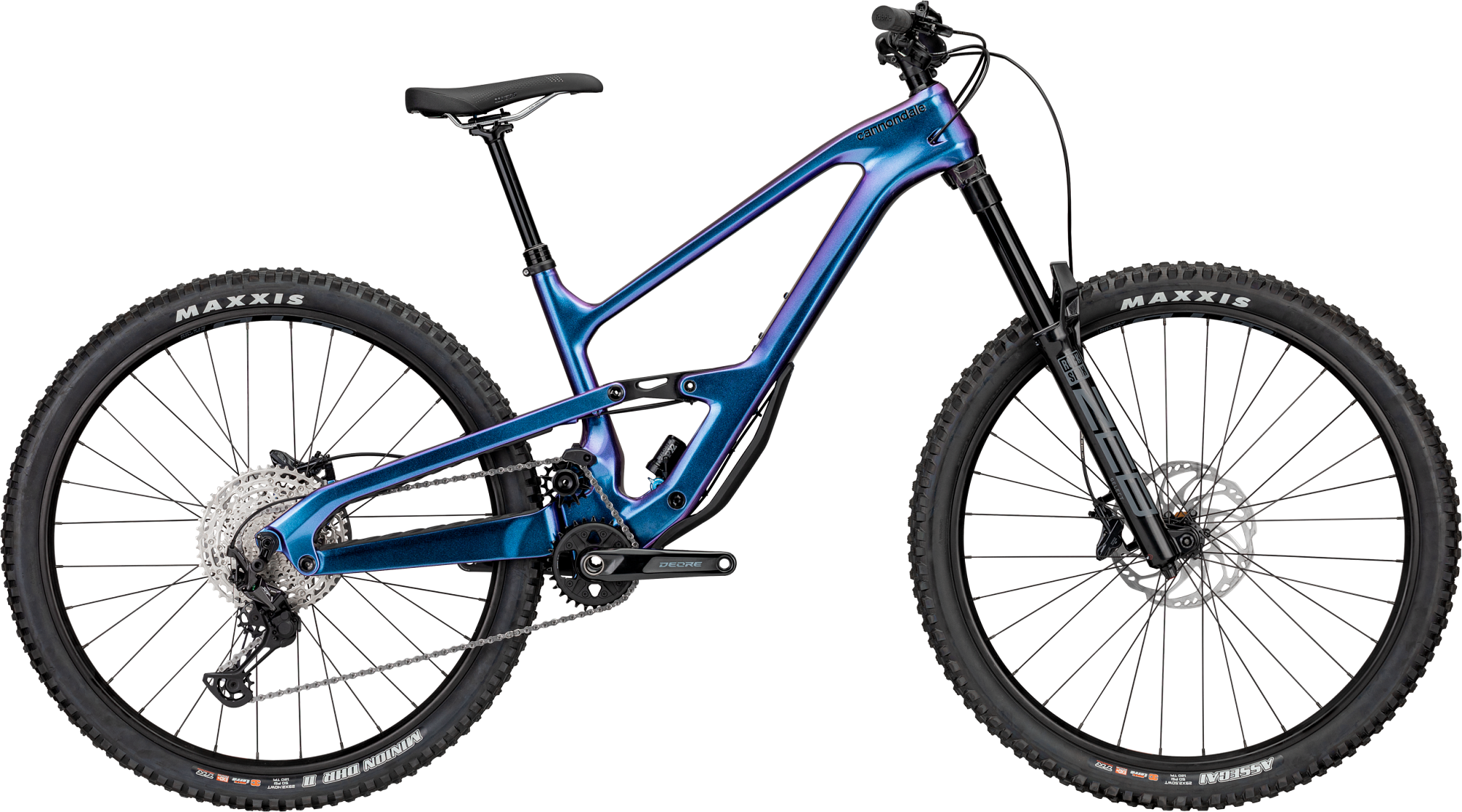
What sets the Cannondale Jekyll apart in a crowded market of enduro bikes? It all starts with its groundbreaking suspension system. The bike employs a 4-bar linkage with a high main pivot, creating a rearward axle path that swallows bumps and maintains momentum over rough terrain. The standout feature is the Guidler—a combined idler pulley and chainguide that eliminates pedal kickback, ensuring smooth pedaling even on chunky climbs. This system not only enhances traction but also keeps the chain secure, reducing the risk of drops during aggressive riding.
Another highlight is the “Gravity Cavity,” where the shock is tucked into the twin-spar downtube. This placement lowers the center of gravity, improving stability and allowing for quick line changes on technical descents. The Cannondale Jekyll also boasts Proportional Response technology, which tailors the suspension kinematics and geometry to each frame size. Smaller sizes get shorter chainstays for agility, while larger ones extend them for better balance—ensuring every rider feels centered and in control.
The frame itself is crafted from high-modulus carbon fiber, offering a perfect blend of stiffness and compliance. Features like the Ai Offset Drivetrain provide extra tire and mud clearance, while the Guardhouse downtube protector shields against roost and impacts without trapping debris. Internal cable routing keeps things clean, though some riders note minor rattling in certain conditions. Overall, the design philosophy of the Cannondale Jekyll prioritizes descending prowess without sacrificing uphill efficiency, making it a true dual-threat on the trails.
Detailed Specifications: Breaking Down the Cannondale Jekyll Models
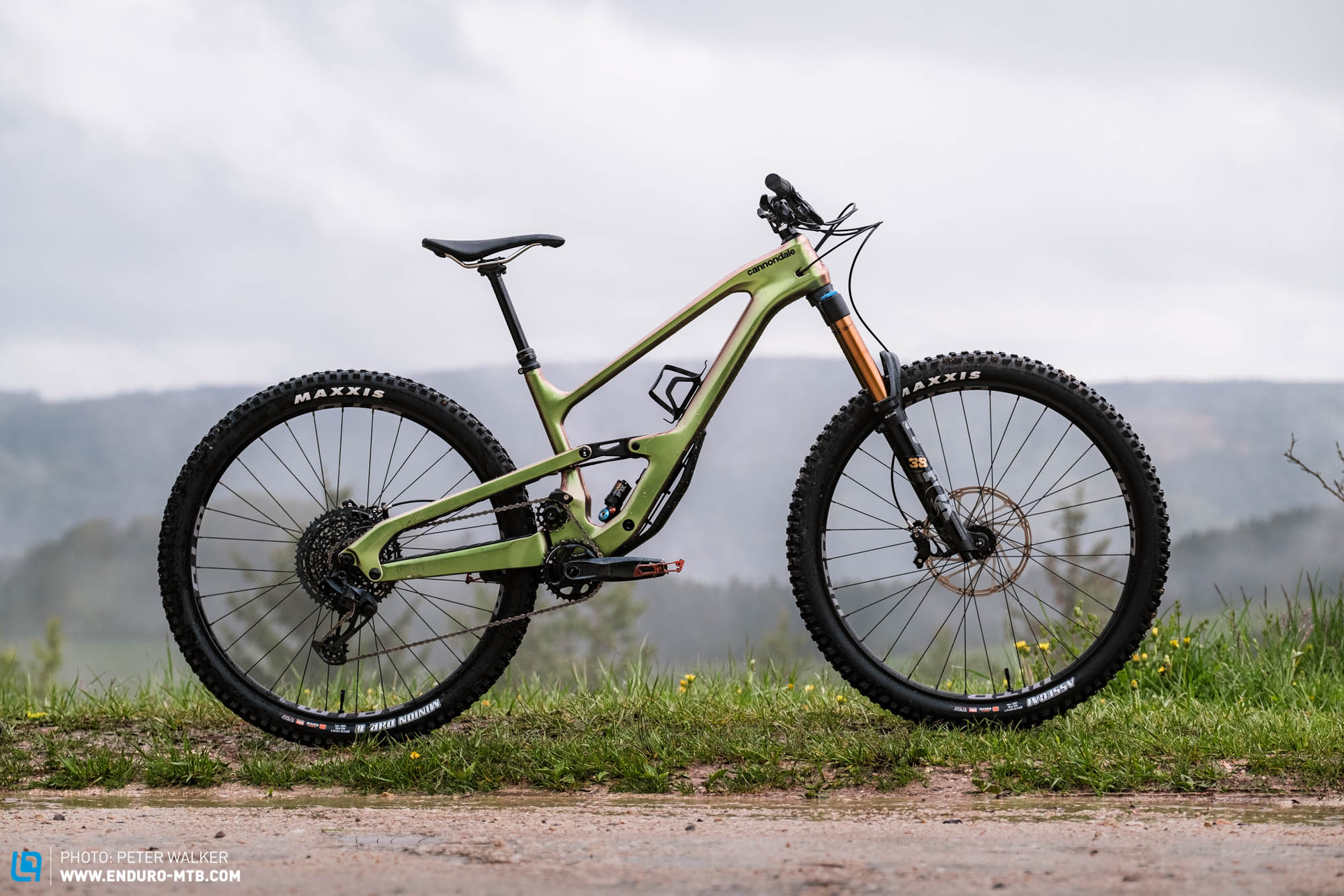
The Cannondale Jekyll lineup includes premium models like the Jekyll 1 and more accessible options like the Jekyll 2, both built around 29-inch wheels for optimal rollover on rough terrain. Let’s focus on the Jekyll 2 as a representative example, with notes on upgrades in higher tiers.
- Frame and Suspension: Carbon frame with 165mm rear travel via a Fox Float X Performance shock (EVOL Air, 2-position firm mode). Up front, a RockShox Zeb Select fork delivers 170mm of plush travel. The Jekyll 1 steps up with a Fox 38 Factory GRIP2 fork and Float X2 Factory shock for finer tuning.
- Drivetrain: Shimano Deore M6100 12-speed setup, including a 30T crank and 10-51 cassette for wide-range gearing. The Jekyll 1 uses SRAM GX Eagle for even crisper shifts.
- Brakes and Wheels: Powerful Shimano M6120 hydraulic discs with 203mm rotors front and rear. Wheels are WTB STX i30 TCS tubeless-ready rims laced to Shimano hubs, though reviews suggest upgrading for serious enduro use.
- Tires: Maxxis Assegai 2.5″ front and Minion DHR II 2.4″ rear, both with EXO+ puncture protection—grippy but prone to flats in rocky areas; many riders swap for heavier casings.
- Cockpit and Dropper: Cannondale’s own 780mm riser bar, short stem for responsive handling, and a TranzX dropper post (130-150mm travel depending on size).
Geometry is modern and aggressive: A 64° head angle, 77.5° seat angle, and reach ranging from 425mm (small) to 500mm+ (XL). Chainstays adjust proportionally (430-442mm), keeping the wheelbase balanced. At around 15.6-15.8kg, the Cannondale Jekyll strikes a good weight for its category, though the high-pivot design adds a touch of heft.
Priced at €6,499 for the Jekyll 1 and lower for the Jekyll 2, these bikes offer solid value, especially considering the innovative tech packed in.
On-Trail Performance: How the Cannondale Jekyll Handles Real-World Riding
Riders rave about the Cannondale Jekyll’s descending capabilities. Its suspension feels bottomless, absorbing big hits and maintaining composure on high-speed, chunky lines. The high-pivot design generates exceptional grip in corners, allowing you to rail turns with confidence. Even on slippery roots or loose gravel, the bike stays planted, thanks to the active rear end that floats over obstacles without harsh feedback.
Uphill, it’s no XC whippet, but the efficient pedaling platform surprises. The climb switch firms up the shock for steeper sections, and minimal bob means you can grind out ascents without excessive energy loss—though it’s not the best in its class for pure climbing efficiency. The Guidler keeps things quiet and kickback-free, but some note a grinding noise under hard pedaling in muddy conditions.
In bike parks or enduro races, the Cannondale Jekyll shines. It’s playful enough for popping off ledges and agile in tight tech, yet stable at warp speeds. Reviews from Enduro Mountainbike Magazine highlight its intuitive handling and plush ride, earning it top marks in race-bike categories during group tests. However, stock components like the wheels and tires may need upgrades for puncture-prone terrains, and the shock’s accessibility in the Gravity Cavity can be fiddly for adjustments.
Pros and Cons: Is the Cannondale Jekyll Right for You?
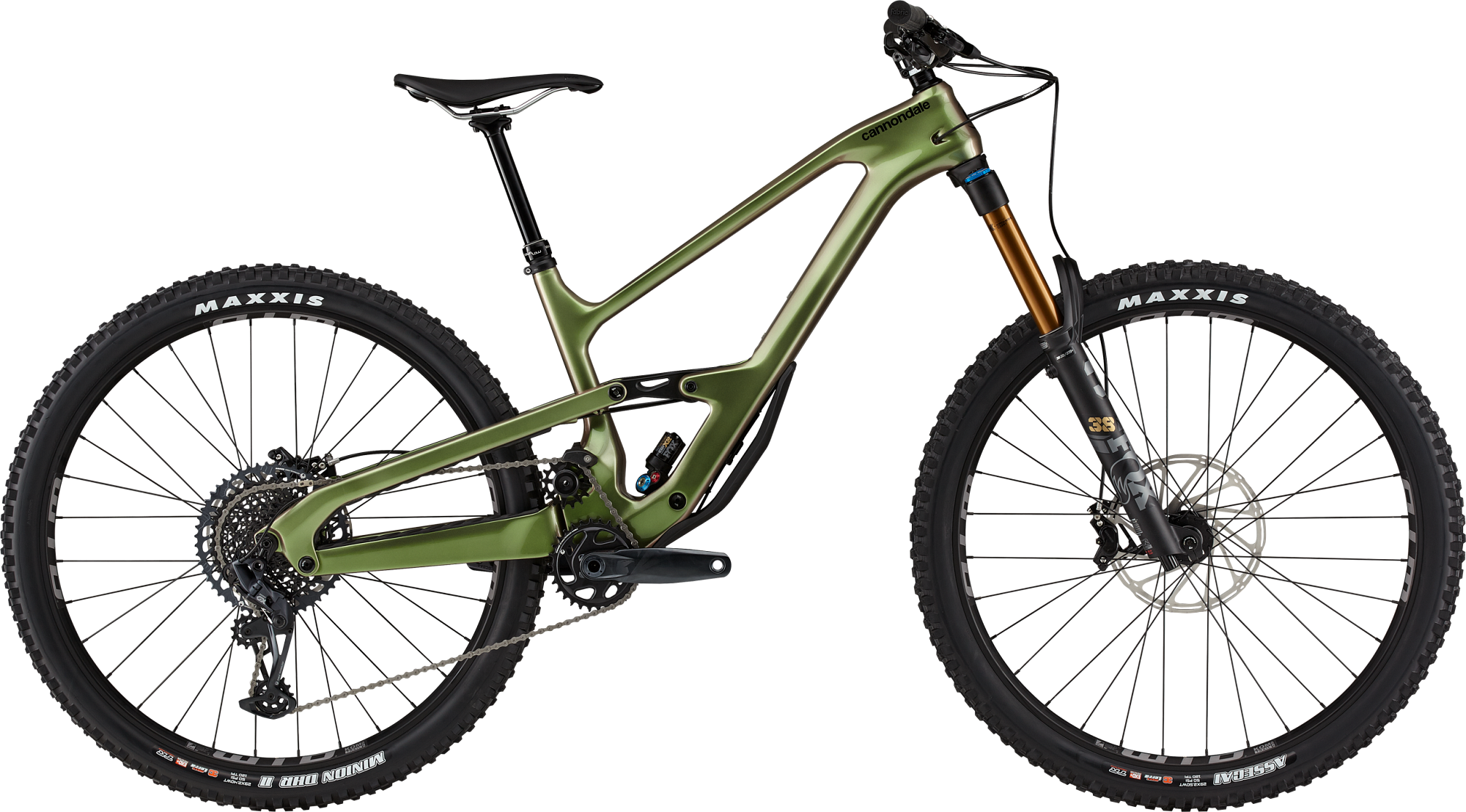
Like any bike, the Cannondale Jekyll has its strengths and weaknesses. Here’s a balanced look:
Pros
- Outstanding Descending Performance: Confidence-inspiring on steep, fast trails with excellent grip and stability.
- Innovative Suspension: High-pivot with Guidler minimizes kickback and enhances traction.
- Size-Specific Tuning: Proportional Response ensures a great fit for all riders.
- Durable Build: Protective features and robust components handle abuse.
- Versatile for Enduro and Bike Parks: Handles everything from races to high-speed mobbing.
Cons
- Climbing Efficiency: Pedal bob and noise can make long ascents feel sluggish compared to lighter trail bikes.
- Spec Upgrades Needed: Stock wheels and tires may not hold up to aggressive riding; dropper remote feels spongy.
- Maintenance Quirks: Shock access and mud accumulation in wet conditions require extra care.
- Weight: At over 15kg, it’s not the lightest enduro option.
If you’re a descent-focused rider who values innovation and doesn’t mind occasional tweaks, the Cannondale Jekyll is a winner. It’s less ideal for those prioritizing all-day pedaling or minimalist setups.
Comparisons: How the Cannondale Jekyll Stacks Up Against Competitors
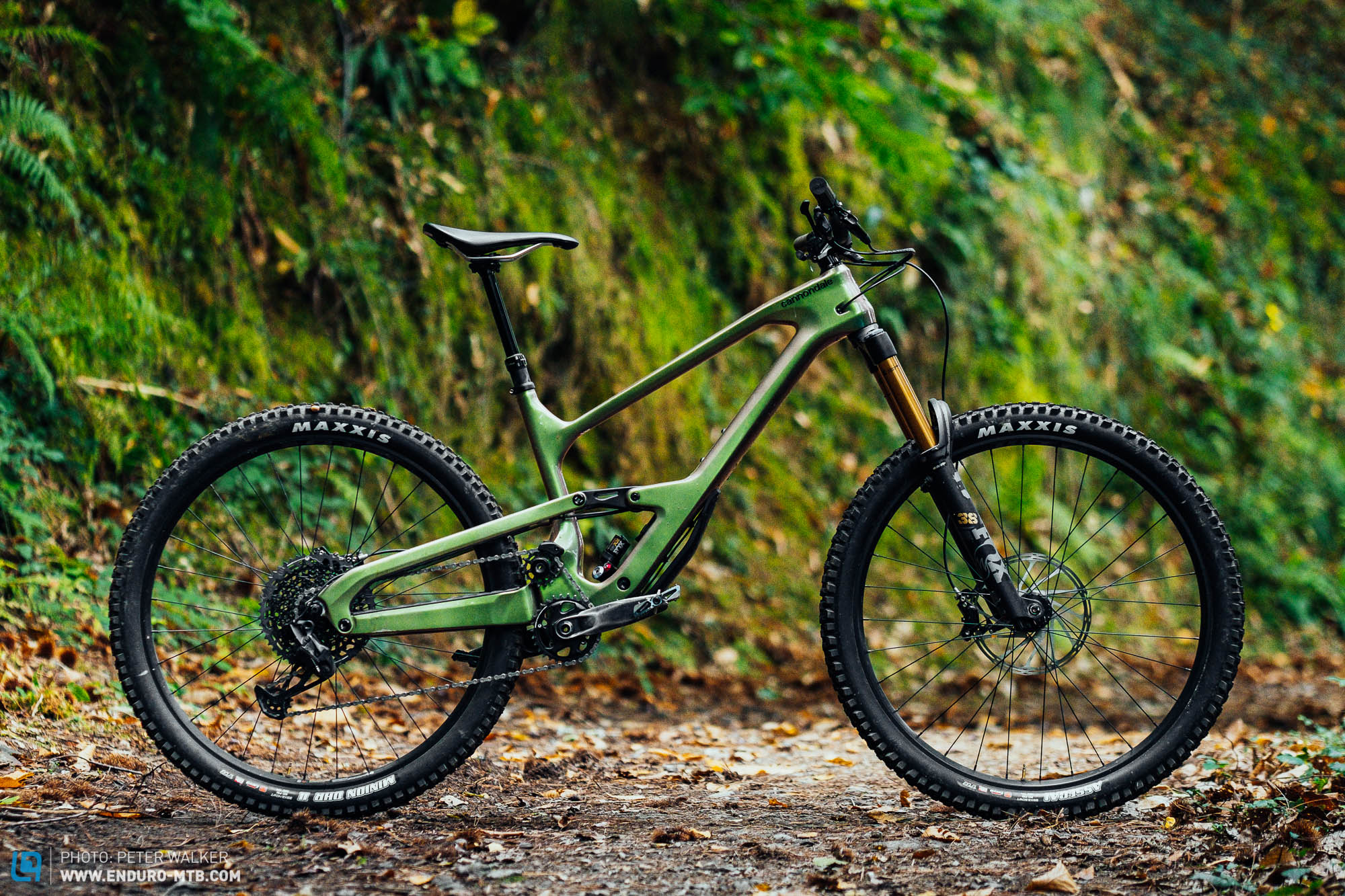
In the enduro arena, the Cannondale Jekyll competes with bikes like the Santa Cruz Nomad, Yeti SB160, and Specialized Enduro. It edges out in suspension plushness and high-speed composure, thanks to its unique kinematics—often feeling like it has more travel than spec’d. However, the Yeti might climb better, and the Specialized offers easier maintenance. Priced competitively, the Jekyll’s value shines if you’re drawn to its eccentric design and race heritage.
For budget-conscious riders, the aluminum versions from earlier models (pre-2022) provide similar vibes at a lower cost, though they lack the latest high-pivot refinements.
Who Should Buy the Cannondale Jekyll?
The Cannondale Jekyll is perfect for intermediate to advanced riders who thrive on technical descents and enduro challenges. If you frequent bike parks, race EWS-style events, or simply love pushing limits on rowdy trails, this bike will elevate your game. Beginners might find it overkill, but with its balanced geometry, it’s approachable for those stepping up from trail bikes.
Before purchasing, test ride one—Cannondale’s dealer network makes it easy. Consider your local terrain: It’s a beast in rocky, steep environments but adaptable with tire swaps for mixed conditions.
Final Thoughts: Why the Cannondale Jekyll Remains a Top Choice
In summary, the Cannondale Jekyll embodies the spirit of modern enduro biking: innovative, capable, and endlessly fun. From its evolutionary history to cutting-edge features like the Guidler and Gravity Cavity, it delivers performance that inspires confidence on the toughest trails. While not without minor flaws, its pros far outweigh the cons for descent enthusiasts. If you’re ready to unleash your inner Mr. Hyde on the mountains, the Cannondale Jekyll is waiting to transform your rides.
 English
  German