
Cannondale Bicycle Corporation: A Deep Dive into History, Innovations, and Iconic Bikes
In the world of cycling, few names evoke as much innovation and passion as Cannondale Bicycle Corporation. Founded over five decades ago, Cannondale Bicycle Corporation has revolutionized the bicycle industry with groundbreaking designs, high-performance materials, and a commitment to pushing the boundaries of what’s possible on two wheels. Whether you’re a seasoned road cyclist, a mountain bike enthusiast, or someone just dipping their toes into the world of biking, understanding the story behind Cannondale Bicycle Corporation can enhance your appreciation for their products. In this comprehensive blog post, we’ll explore the rich history of Cannondale Bicycle Corporation, its key innovations, popular product lines, and what makes this brand a favorite among riders worldwide.
The Origins of Cannondale Bicycle Corporation
The story of Cannondale Bicycle Corporation begins in 1971, in a modest setting above a pickle factory in Wilton, Connecticut. Founded by Joe Montgomery, along with partners Ron Davis and Jim Catrambone, the company didn’t start as a bicycle manufacturer at all. Instead, Cannondale Bicycle Corporation’s initial focus was on outdoor gear, particularly a innovative bicycle trailer called the “Bugger.” This aluminum trailer, designed to be towed behind bikes, was lightweight, durable, and angled for easy packing – a far cry from the bulky options available at the time. The Bugger quickly gained popularity among cyclists for its practicality, marking the first chapter in Cannondale Bicycle Corporation’s journey toward becoming a cycling powerhouse.
By the mid-1970s, Cannondale Bicycle Corporation expanded its offerings to include backpacks, tents, and other camping equipment, but it was the shift toward bicycles in the early 1980s that truly defined the brand. In 1983, Cannondale Bicycle Corporation introduced its first touring bike, the ST500, which featured an aluminum frame – a material that was revolutionary for the era when steel dominated the market. This move set Cannondale Bicycle Corporation apart, as aluminum frames offered superior stiffness, lighter weight, and better corrosion resistance compared to traditional steel.
The company’s name, “Cannondale,” is derived from the Cannondale Metro-North train station near their original headquarters, symbolizing their roots in Connecticut. Over the years, Cannondale Bicycle Corporation has weathered economic challenges, including a bankruptcy filing in 2003, but emerged stronger under new ownership. Today, as a division of Pon Holdings – a Dutch conglomerate that acquired it in 2021 through a merger with Dorel Industries – Cannondale Bicycle Corporation continues to operate from its Wilton headquarters, blending American ingenuity with global resources.
Key Milestones in Cannondale Bicycle Corporation’s History
Cannondale Bicycle Corporation’s timeline is dotted with pivotal moments that highlight its innovative spirit. In 1984, the company launched its first aluminum-frame mountain bike, the SM500, which became an instant hit for its performance on rugged terrains. This model helped Cannondale Bicycle Corporation gain traction in the burgeoning mountain biking scene, especially as the sport exploded in popularity during the 1980s and 1990s.
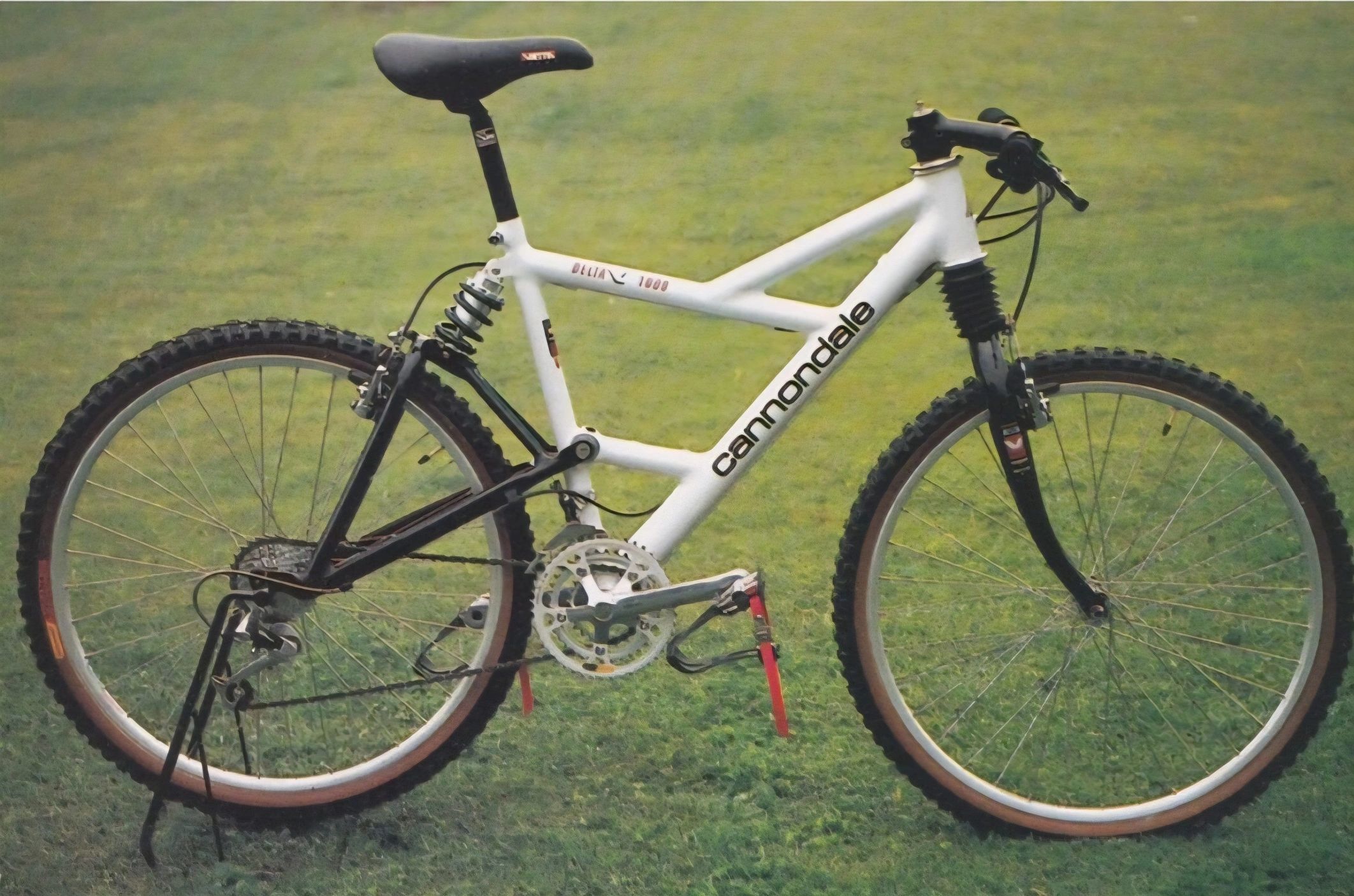
The 1990s brought even more breakthroughs. In 1991, Cannondale Bicycle Corporation introduced the Delta V, featuring a unique single-sided rear swingarm and the innovative HeadShok suspension system. This front suspension, integrated into the head tube, provided smoother rides without the weight penalties of traditional forks. Riders praised it for its responsiveness, and it became a staple in Cannondale Bicycle Corporation’s mountain bike lineup.
Fast-forward to the 2000s, and Cannondale Bicycle Corporation embraced carbon fiber technology. The 2000 Six13 road bike combined aluminum and carbon for optimal strength and lightness, earning accolades in professional racing circuits. Cannondale Bicycle Corporation’s sponsorship of pro teams, like the Saeco team in the Tour de France, further solidified its reputation. Mario Cipollini, the Italian sprint legend, rode Cannondale bikes to numerous victories, showcasing the brand’s prowess on the global stage.
In recent years, Cannondale Bicycle Corporation has focused on sustainability and electric bikes. The 2020s saw the introduction of e-bike models like the Adventure Neo, blending traditional cycling with electric assistance for urban commuters. Under Pon Holdings, Cannondale Bicycle Corporation has integrated advanced manufacturing techniques, ensuring their bikes remain at the forefront of technology.

This image captures the essence of early Cannondale models, reminding us of the brand’s pioneering days in aluminum frame design.
Innovations That Set Cannondale Bicycle Corporation Apart
What truly distinguishes Cannondale Bicycle Corporation is its relentless pursuit of innovation. From the outset, the company has challenged conventions, often being the first to adopt new materials and technologies. One of their hallmark innovations is the CAAD (Cannondale Advanced Aluminum Design) series. Launched in the 1980s, CAAD frames use hydroformed aluminum tubes for precise shaping, resulting in bikes that are incredibly responsive and efficient. The CAAD13, a modern iteration, is lauded for its aerodynamic profile and comfort, making it a top choice for road cyclists.
Another game-changer is the Lefty fork, introduced in the late 1990s. This single-sided suspension fork reduces weight and improves steering precision by eliminating the traditional right leg. Initially met with skepticism, the Lefty has become iconic in Cannondale Bicycle Corporation’s mountain bikes, like the Scalpel series, offering superior handling on technical trails.
Cannondale Bicycle Corporation also pioneered the System Integration (Si) philosophy, where components are designed to work seamlessly together. This includes proprietary cranksets, handlebars, and wheels that optimize performance. In the realm of aerodynamics, models like the SystemSix incorporate truncated airfoil shapes to minimize drag, helping riders achieve faster speeds with less effort.
On the sustainability front, Cannondale Bicycle Corporation has committed to eco-friendly practices, such as using recycled materials in packaging and exploring bio-based resins for carbon frames. Their Lab71 series represents the pinnacle of this innovation, featuring ultra-high-modulus carbon for elite-level performance.
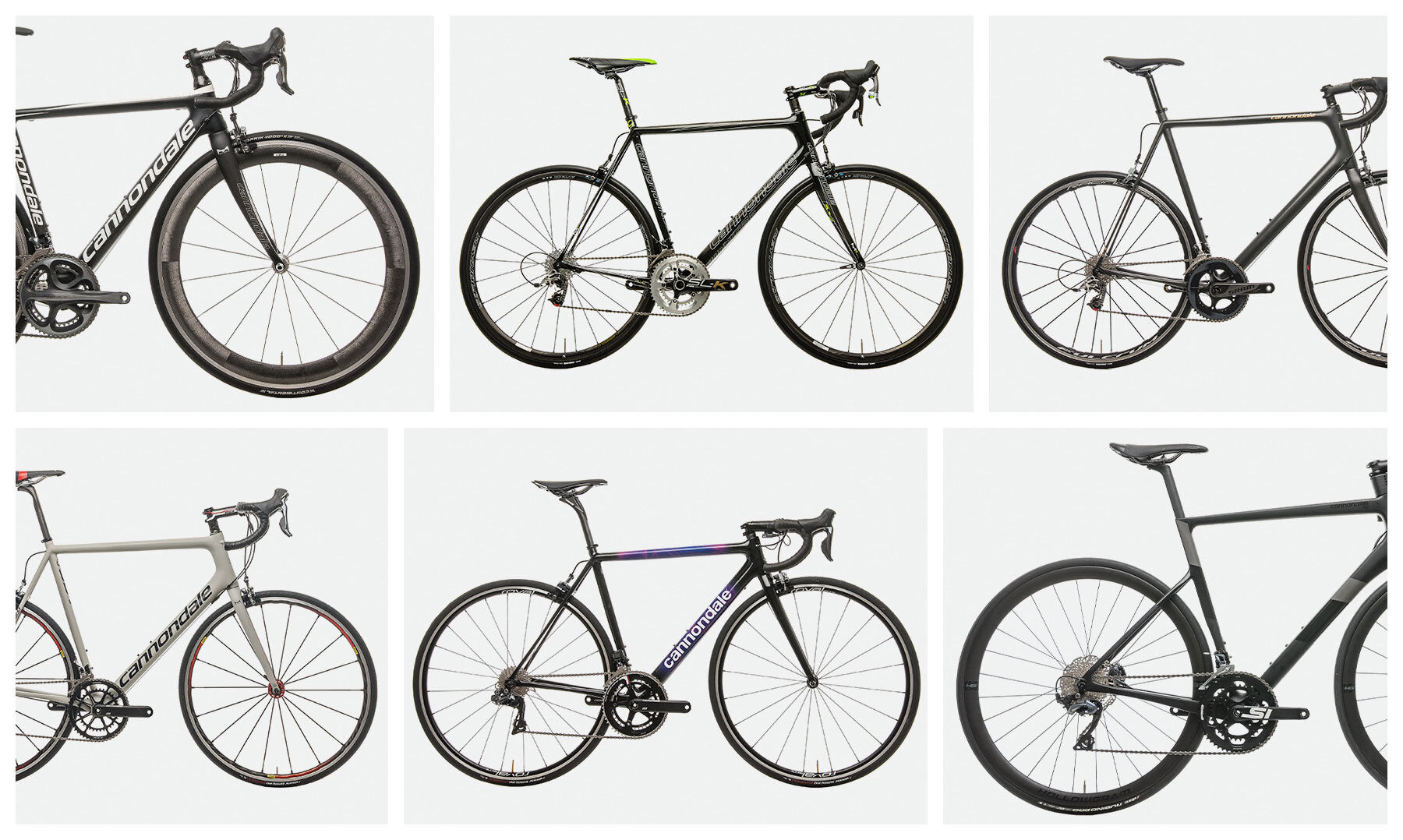
Here’s a visual of the SuperSix, one of Cannondale’s flagship road bikes, highlighting its sleek carbon construction.
Exploring Cannondale Bicycle Corporation’s Product Lines
Cannondale Bicycle Corporation offers a diverse range of bicycles catering to various riding styles. Their road bikes, such as the Synapse series, emphasize endurance with vibration-dampening features for long rides. The SuperSix EVO, on the other hand, is built for speed, with a lightweight frame that’s perfect for competitive racing.
In mountain biking, Cannondale Bicycle Corporation shines with the Habit and Jekyll models. The Habit is a versatile trail bike with 130mm of travel, ideal for all-mountain adventures, while the Jekyll offers enduro capabilities with adjustable geometry for tackling steep descents.
For gravel enthusiasts, the Topstone series combines road speed with off-road durability, featuring wide tire clearance and stable handling. Urban and commuter bikes, like the Quick hybrid, provide practical options with upright positioning and integrated lights.
Electric bikes are a growing segment for Cannondale Bicycle Corporation. The Moterra Neo e-MTB delivers powerful Bosch motors for conquering hills, while the Tesoro Neo X appeals to touring cyclists with extended battery life.
Each product line reflects Cannondale Bicycle Corporation’s dedication to quality, with rigorous testing in their in-house labs ensuring durability and performance.

This photo showcases a classic Cannondale mountain bike, embodying the rugged spirit of their off-road offerings.
Famous Models and Rider Testimonials
Some of Cannondale Bicycle Corporation’s most iconic models have left an indelible mark on cycling history. The Raven, from the 1990s, was one of the first full-suspension carbon mountain bikes, influencing modern designs. The Scalpel, with its BallisTec carbon frame, has won numerous World Cup races, thanks to riders like Henrique Avancini.
Professional athletes often rave about Cannondale Bicycle Corporation bikes. EF Education-EasyPost team members in the Tour de France rely on the LAB71 SuperSix EVO for its climbing efficiency. Amateur riders appreciate the brand’s accessibility, with entry-level models like the CAAD Optimo offering pro-level features at affordable prices.
An archival image from Cannondale’s history, illustrating the evolution of their innovative designs.
Recent Developments and Future Outlook for Cannondale Bicycle Corporation
In the past few years, Cannondale Bicycle Corporation has navigated industry shifts with agility. The 2021 acquisition by Pon Holdings has expanded their distribution network, making bikes more accessible globally. Recent launches include the Habit Carbon LT, enhancing trail performance with updated suspension kinematics.
Looking ahead, Cannondale Bicycle Corporation is investing in smart bike technology, integrating apps for ride tracking and maintenance alerts. With a focus on inclusivity, they’re developing bikes for diverse body types and abilities, ensuring cycling remains enjoyable for all.

This shot features a vintage Cannondale model from racing history, capturing the thrill of competition.
Why Choose Cannondale Bicycle Corporation?
Cannondale Bicycle Corporation stands out for its blend of heritage and forward-thinking design. Whether you’re seeking a bike for daily commutes, weekend trails, or professional races, their lineup delivers unmatched quality. With a legacy of innovation and a commitment to riders, Cannondale Bicycle Corporation continues to inspire the next generation of cyclists.

Finally, this image of an early road bike model underscores Cannondale’s enduring impact on the cycling world.
In summary, Cannondale Bicycle Corporation’s journey from a small gear company to a global leader is a testament to passion and perseverance. If you’re in the market for a new bike, exploring their offerings could lead to your perfect ride.
 English
  German