
Cannondale EN 14781: A Deep Dive into the Iconic Endurance Road Bike
If you’re a cycling enthusiast scouring the used bike market or restoring a vintage ride, you’ve likely come across the term “Cannondale EN 14781.” This designation often appears on stickers or frames of certain Cannondale bikes, sparking curiosity about its meaning, origins, and performance. In this comprehensive guide, we’ll explore everything you need to know about the Cannondale EN 14781, from its compliance with European safety standards to the specific models it applies to, like the popular Synapse series. Whether you’re considering purchasing one or just want to learn more about this classic road bike, we’ve got you covered with detailed insights, specs, and tips.
What Does EN 14781 Mean in the Context of Cannondale Bikes?
Let’s start with the basics. The “EN 14781” part of “Cannondale EN 14781” isn’t a model name but a reference to a European Norm (EN) standard. Specifically, EN 14781 is a safety and performance requirement for racing bicycles and their sub-assemblies, established to ensure bikes meet rigorous testing for design, assembly, and durability. This standard, applicable in the European Union and often adopted elsewhere, covers aspects like frame strength, braking efficiency, and overall rider safety. For Cannondale, bikes bearing this label were certified to comply with these regulations, particularly during the early 2010s when the company was expanding its presence in international markets.
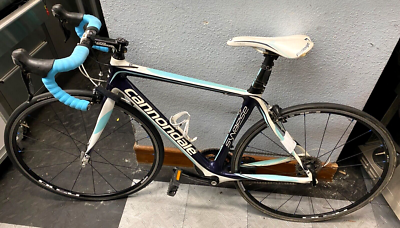
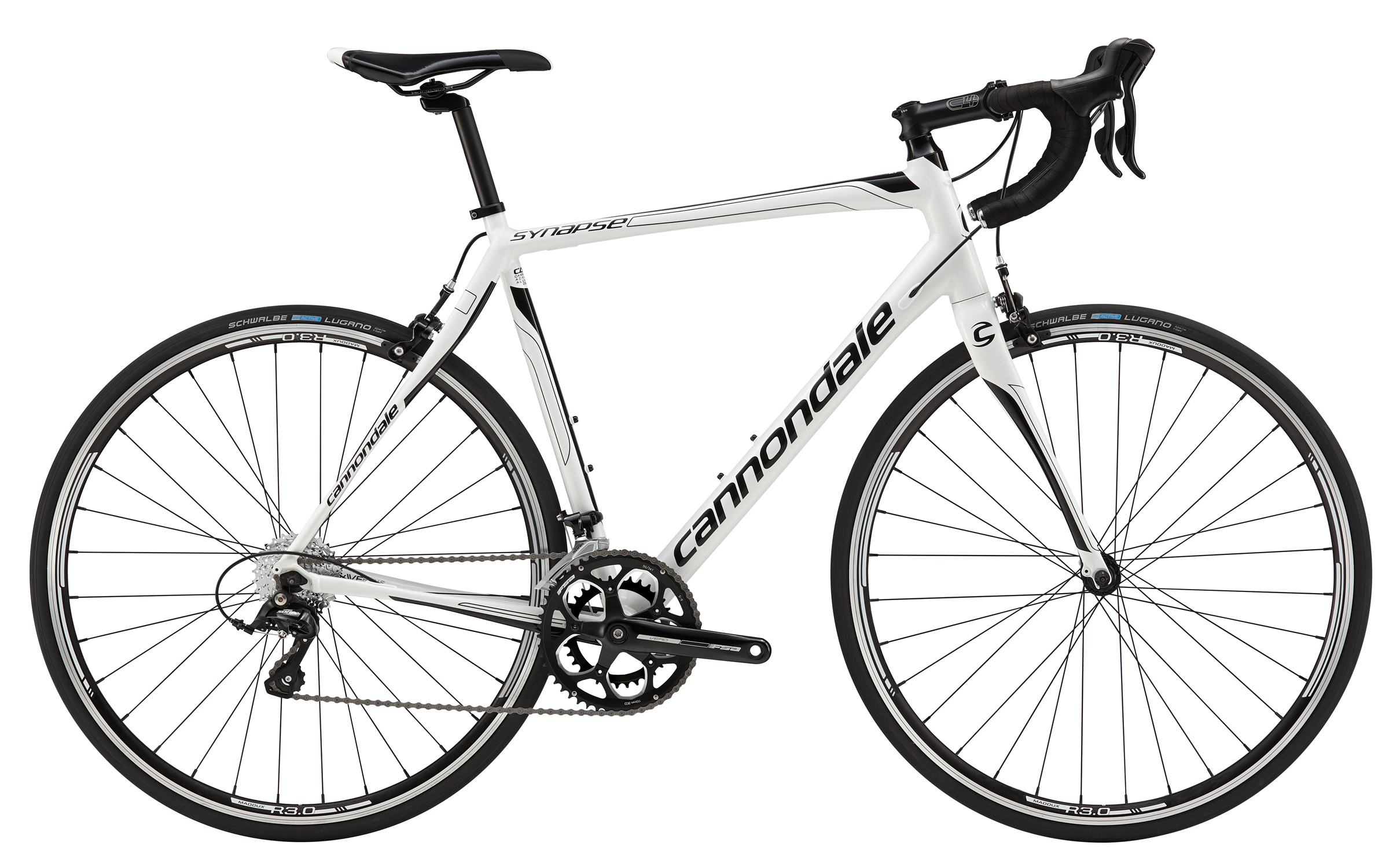
Cannondale, an American brand renowned for innovative aluminum and carbon fiber frames, incorporated the EN 14781 certification on models intended for road racing or endurance riding. It’s not unique to Cannondale—many brands used similar stickers—but it frequently appears on their Synapse line, which was designed for comfort during long rides without sacrificing speed. If your bike has a “Cannondale EN 14781” sticker, it’s likely a Synapse from around 2010 to 2014, as straight seat stays became more common post-2014, changing the design aesthetic.
This certification reassures riders that the bike has undergone tests for fatigue resistance, impact strength, and other critical factors. In practical terms, it means your Cannondale EN 14781 is built to handle the demands of competitive cycling while prioritizing safety.
The History Behind Cannondale EN 14781 Models
Cannondale has a rich history of pushing boundaries in bicycle design. Founded in 1971, the company gained fame for its aluminum frames in the 1980s and transitioned to advanced carbon composites in the 2000s. The Synapse series, which most Cannondale EN 14781 bikes belong to, was introduced in 2006 as an endurance road bike. It emphasized comfort through features like the S.A.V.E. (Synapse Active Vibration Elimination) technology, which absorbs road buzz without adding weight.
By 2010, the Synapse had evolved into a versatile platform, and models from this era often featured the EN 14781 certification to meet European export requirements. These bikes were popular among amateur racers and gran fondo participants because they offered race-level performance with all-day comfort. The 2014 redesign brought significant updates, including more aerodynamic shapes and disc brake options, but the earlier Cannondale EN 14781 versions remain beloved for their classic look and reliability.
One key example is the Cannondale Synapse Carbon from 2010-2011, often labeled with EN 14781. These bikes were part of Cannondale’s push into the endurance category, competing with brands like Specialized and Trek. Riders praised them for their balanced geometry—relaxed enough for long miles but responsive for climbs and sprints.
Detailed Specifications of Cannondale EN 14781 Bikes
To truly appreciate the Cannondale EN 14781, let’s break down the specs from popular years like 2010 and 2011. These models varied by component groupset, but they shared core features like carbon or alloy frames, BB30 bottom brackets for stiffness, and full-carbon forks for smooth handling.
2010 Cannondale Synapse Models (Commonly EN 14781 Certified)
In 2010, Cannondale offered a range of Synapse bikes, from high-end Hi-MOD carbon to more accessible alloy versions. Here’s a snapshot:
- Synapse Hi-MOD Dura Ace: Frame – Synapse Carbon Hi-MOD; Fork – Cannondale Synapse Hi-MOD S.A.V.E.+ Full Carbon; Crank – Cannondale Hollowgram SL BB30, 34/50; Brakes – Shimano Dura Ace 7900; Wheelset – Mavic Ksyrium SL; Sizes – 48-61cm; Colors – Magnesium White. This top-tier model weighed around 15-16 lbs and was ideal for racing.
- Synapse Carbon Ultegra Compact: Frame – Synapse Carbon; Fork – Synapse Carbon S.A.V.E. Full Carbon; Crank – FSA SL-K Light Carbon BB30, 34/50; Brakes – Shimano Ultegra 6700; Wheelset – DT Swiss R-1900; Sizes – 48-61cm; Colors – Berzerker Green or Jet Black.
- Synapse Carbon 105 Compact: A budget-friendly option with FSA Gossamer BB30 crank, Shimano 105 components, and Mavic Aksium Race wheels. It tipped the scales at about 17-18 lbs, making it a great entry into carbon endurance bikes.
Feminine-specific models like the Synapse Féminine 105 featured adjusted geometry for women, with shorter top tubes and narrower handlebars.

2011 Cannondale Synapse Models
The 2011 lineup built on the previous year’s success, with refinements in SAVE technology for better vibration damping.
- Synapse Hi-Mod 1 Dura-Ace: Frame – Synapse Hi-MOD SAVE BB30; Fork – Hi-MOD full carbon SAVE; Crank – Cannondale Hollowgram SL BB30, 50/34; Brakes – Shimano Dura-Ace 7900; Wheelset – Mavic Ksyrium SL; Sizes – 48-61cm; Colors – Exposed Carbon or Magnesium White.
- Synapse Carbon 3 Ultegra: Frame – Synapse Carbon SAVE BB30; Fork – Full carbon SAVE alloy dropouts; Crank – FSA SL-K Light Carbon BB30, 50/34; Brakes – Shimano Ultegra 6700; Wheelset – DT Swiss R-1700; Colors – Race Red or Charcoal Grey.
- Synapse Alloy 5 105: For those preferring aluminum, this model had an Optimized 6061 alloy frame, carbon fork, FSA Gossamer BB30 crank, and Shimano RS10 wheels. It was durable and affordable, often weighing 18-19 lbs.
These specs highlight how Cannondale EN 14781 bikes balanced lightness, stiffness, and comfort. The BB30 standard, pioneered by Cannondale, improved power transfer, while the SAVE micro-suspension smoothed out rough roads.
Performance and Rider Reviews of Cannondale EN 14781
Riders who own a Cannondale EN 14781 often rave about its endurance capabilities. In reviews from the era, the Synapse was described as “plush” with relaxed geometry that allows for extended rides without fatigue. For instance, a 2011 Synapse Carbon 3 Ultegra was praised for its vibration absorption on gravel or potholed roads, making it versatile beyond pure pavement.
On forums like Reddit and Vintage Cannondale communities, users identify these bikes as early 2010s Synapse models, noting their carbon frames, FSA cranks, and Shimano components. Common feedback includes excellent climbing ability due to low weight and responsive handling in corners. However, some note that pre-2014 models lack disc brakes, which modern riders might miss for wet-weather stopping power.
In terms of weight, high-end versions hovered around 15 lbs, while mid-range ones were closer to 17-18 lbs—competitive for the time. Pro cyclists, like those on the Liquigas team, used similar setups, adding to the bike’s credibility.

How to Identify the Year of Your Cannondale EN 14781
Determining the exact year can be tricky since EN 14781 spans multiple models. Check the serial number: Cannondale serials often start with letters indicating the year (e.g., “KM” for certain 2010s models). Look for curved seat stays—a hallmark of pre-2014 Synapses. Components like Shimano 105 or Ultegra from the 5700/6700 series point to 2010-2011.
If unsure, consult Cannondale’s bike archive or community forums for photo comparisons. Many eBay listings feature these bikes in sizes from 48cm to 61cm, often in colors like blue, white, or black.
Maintenance and Upgrades for Cannondale EN 14781 Bikes
Owning a Cannondale EN 14781 means committing to regular maintenance for longevity. Clean the carbon frame with mild soap, avoiding high-pressure washers. Check the BB30 bottom bracket for wear, as it’s a common upgrade point—switch to ceramic bearings for smoother pedaling.
Upgrades could include modern wheels for better aerodynamics or adding disc brakes if compatible (though earlier frames may require adapters). Tires like Schwalbe Durano (25c) were stock, but wider 28c options enhance comfort on today’s roads. Always torque bolts to spec to prevent carbon damage.
For storage, keep it indoors to avoid UV degradation. With proper care, these bikes can last decades, as evidenced by well-maintained 2010 models still fetching $500+ on resale sites.
Why Choose a Cannondale EN 14781 Today?
In a market flooded with aero-optimized superbikes, the Cannondale EN 14781 stands out for its timeless appeal. It’s perfect for riders seeking a blend of performance and comfort without the premium price of new models. Whether tackling century rides or commuting, its endurance-focused design shines.
If you’re hunting for one, check sites like eBay or BikeIndex for listings—expect to pay $400-800 for a used example in good condition. Compare it to modern Synapse iterations, which build on this legacy with smarter tech like integrated cables.

In conclusion, the Cannondale EN 14781 represents a golden era of road cycling innovation. Its compliance with strict standards, combined with Cannondale’s engineering prowess, makes it a worthy addition to any cyclist’s garage. If you own one, cherish it—it’s a piece of biking history that still delivers thrills on every pedal stroke. Happy riding!
 German
  English