
Cannondale Trail 6: The Ultimate Entry-Level Mountain Bike for Trail Enthusiasts
If you’re dipping your toes into the world of mountain biking or looking for a reliable ride that won’t break the bank, the Cannondale Trail 6 stands out as a solid choice. This hardtail mountain bike combines affordability with performance, making it ideal for beginners and casual riders who want to explore off-road paths without committing to high-end gear right away. In this comprehensive review, we’ll dive deep into what makes the Cannondale Trail 6 a popular option, from its specs and features to real-world performance and user feedback. Whether you’re tackling local trails, commuting on mixed terrain, or just enjoying a weekend adventure, this bike has a lot to offer.
What Is the Cannondale Trail 6?
The Cannondale Trail 6 is part of Cannondale’s Trail series, designed specifically for entry-level mountain biking. It’s a hardtail bike, meaning it has front suspension but a rigid rear end, which keeps things simple, lightweight, and easy to maintain. Cannondale, a brand with decades of experience in crafting high-quality bicycles, positions this model as a gateway for riders to build skills and confidence on varied terrain.
Launched as an accessible option, the Cannondale Trail 6 appeals to those who want versatility. It’s not just for pure off-road use; many riders appreciate its ability to handle paved paths and light commuting duties thanks to features like rack mounts. With a focus on durability and fun, this bike encourages exploration without overwhelming new users with complex components.
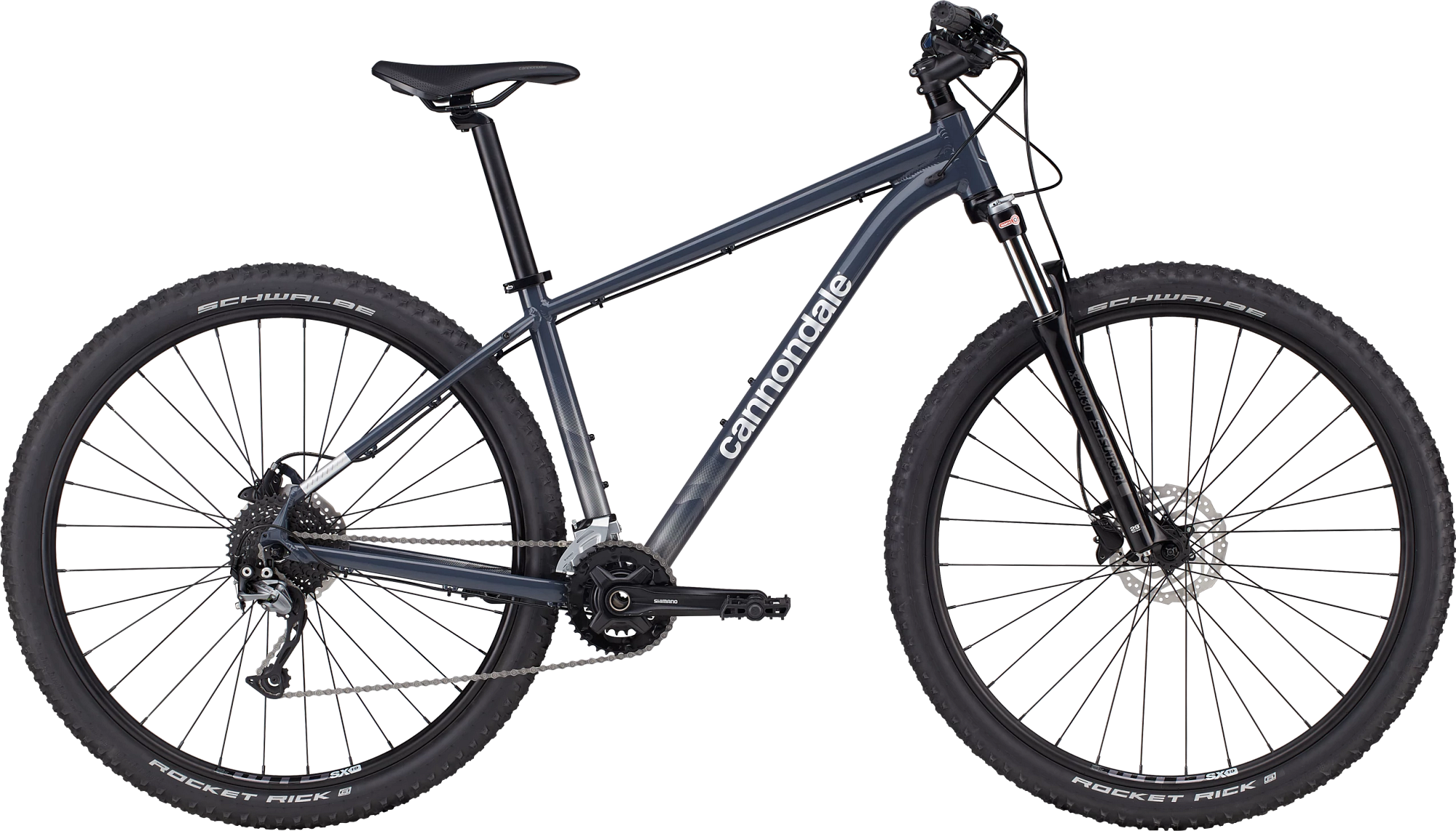
From a design perspective, the Cannondale Trail 6 features a sleek aluminum frame that’s both lightweight and robust. Available in multiple sizes to fit riders from extra-small to extra-large, it accommodates different body types. Smaller frames come with 27.5-inch wheels for better maneuverability, while larger ones get 29-inch wheels for smoother rolling over obstacles. This thoughtful sizing ensures a comfortable fit, which is crucial for long rides.
Key Specifications of the Cannondale Trail 6
Let’s break down the technical details that define the Cannondale Trail 6. Understanding these specs helps you see why it’s a great value proposition.
- Frame: SmartForm C3 Alloy – This is Cannondale’s proprietary aluminum alloy, known for its strength-to-weight ratio. It’s hydroformed for precision, resulting in a frame that’s responsive yet forgiving on rough trails.
- Fork: SR Suntour XCT 30 with 100mm travel – The front suspension absorbs bumps effectively, providing a smoother ride on uneven surfaces. It includes a lockout feature for efficiency on climbs or smooth roads.
- Drivetrain: Shimano 8-speed or 9-speed system with a double chainring crank – Depending on the model year, you’ll get reliable shifting from Shimano components like Altus or Acera. The 2x setup offers a wide gear range for tackling hills and flats.
- Brakes: Tektro hydraulic disc brakes – These provide strong, consistent stopping power in all weather conditions, a step up from mechanical brakes found on cheaper bikes.
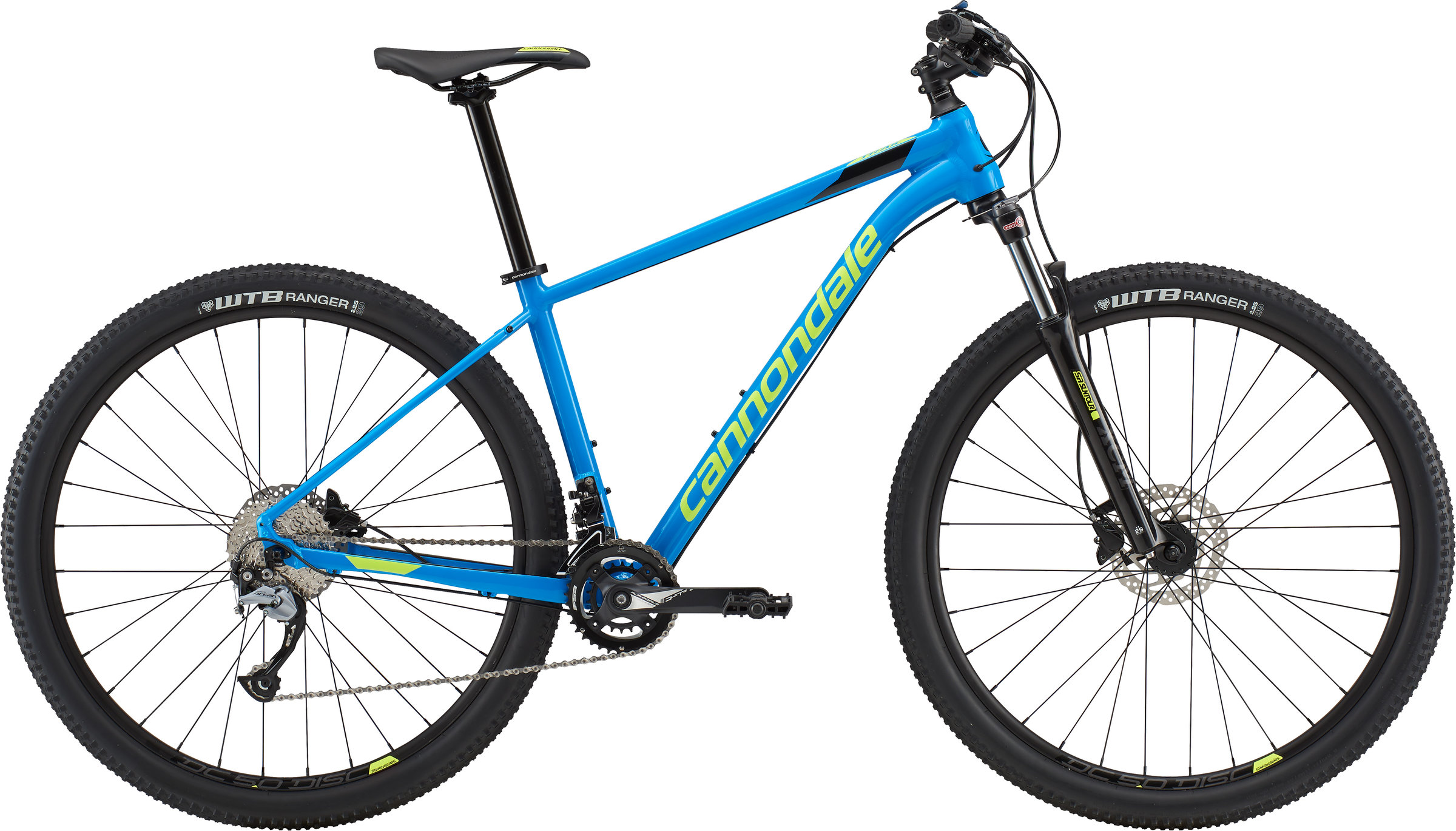
- Wheels and Tires: WTB Ranger Comp tires on Alex rims – The tires offer decent grip for trail riding, with low-profile knobs that roll well on pavement but may slip in very wet or muddy conditions.
- Other Features: Integrated cable routing for a clean look, ergonomic grips, and a comfortable Cannondale saddle. Pricing typically starts around $600-$850, making it budget-friendly.
These specs make the Cannondale Trail 6 a well-rounded bike for its price point. It’s not overloaded with fancy tech, but everything works harmoniously to deliver a dependable experience.
Design and Build Quality: Why It Feels Premium
One of the standout aspects of the Cannondale Trail 6 is its build quality. Cannondale’s SmartForm technology ensures the frame is lightweight—around 30-32 pounds depending on size—without sacrificing durability. The alloy material resists corrosion, which is a plus if you ride in rainy areas.
The geometry strikes a balance between comfort and agility. With a head tube angle around 68-69 degrees, it’s stable on descents but quick to steer on tight turns. The chainstays are reasonably short, aiding in nimble handling. Riders often praise the upright riding position, which reduces strain on the back and wrists during extended sessions.
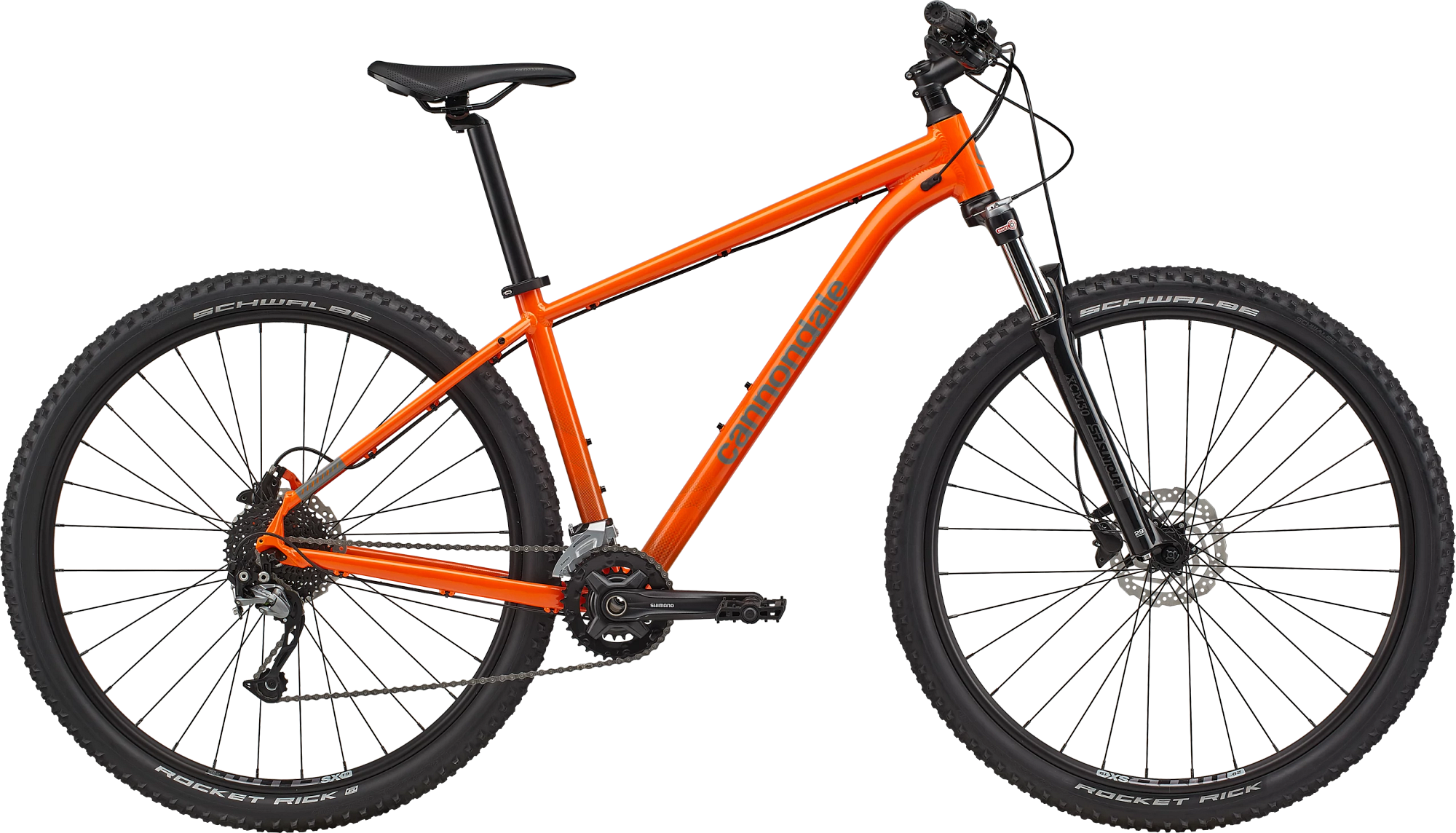
Aesthetically, the Cannondale Trail 6 comes in attractive colors like Slate Gray or Impact Orange, with subtle graphics that give it a modern vibe. The internal cable routing not only looks tidy but also protects cables from dirt and damage. For those who like to customize, the frame has mounts for racks and fenders, expanding its utility beyond pure mountain biking.
.jpg "Cannondale trail 6")
In terms of components, while entry-level, they’re from trusted brands like Shimano and SR Suntour. The double chainring might seem old-school in a world of 1x drivetrains, but it provides more gear options for varied terrain, which is beneficial for beginners learning to shift efficiently.
Performance on the Trail: How It Handles Real-World Riding
When it comes to actual riding, the Cannondale Trail 6 excels in mellow to moderate trails. On climbs, the lightweight frame and efficient geometry make it feel peppy. The 100mm fork smooths out roots and rocks, and the lockout helps when pedaling hard on fire roads. Users report it climbs well, even on steeper inclines, thanks to the wide gear range.
Descending is where the hardtail nature shines for controlled fun. The hydraulic brakes inspire confidence, modulating speed precisely without fading. However, on very technical descents, the basic fork might bottom out under heavier riders or aggressive drops. It’s best suited for cross-country style riding rather than enduro-level punishment.
Off the trail, the Cannondale Trail 6 transitions smoothly to urban environments. The tires roll efficiently on pavement, and the rack mounts allow for light touring or grocery runs. Many owners use it as a commuter during the week and a trail explorer on weekends.
In wet conditions, the tires provide adequate grip, but upgrading to something knobbier could improve traction if you ride in mud often. Overall, it’s a versatile performer that grows with you as your skills improve.
Pros and Cons of the Cannondale Trail 6
Like any bike, the Cannondale Trail 6 has its strengths and weaknesses. Here’s a balanced look:
Pros:
- Affordable Price: Great value for beginners, often under $700.
- Reliable Components: Shimano drivetrain and hydraulic brakes perform consistently.
- Versatile Use: Handles trails, commutes, and light touring.
- Comfortable Geometry: Upright position suits long rides.
- Lightweight Frame: Easy to maneuver and transport.
- Easy to Upgrade: Compatible with future mods like better forks or 1x drivetrains.
Cons:
- Basic Suspension: The coil fork is entry-level and may not handle rough terrain well for heavier riders.
- Quick-Release Axles: Outdated compared to thru-axles on modern bikes, potentially less stiff.
- Limited Gear Modernization: Double chainring is functional but not as simple as 1x setups.
- Tire Grip in Wet: Could be better; some users upgrade early.
- Not for Advanced Riders: Lacks the aggression for serious downhill or jumps.
Who Should Buy the Cannondale Trail 6?
This bike is perfect for entry-level riders or those returning to cycling after a break. If you’re new to mountain biking and want something that builds confidence without intimidation, the Cannondale Trail 6 fits the bill. It’s also great for budget-conscious enthusiasts who ride mostly green and blue trails—think smooth singletrack, forest paths, and occasional roots.
Families might appreciate it too, as the smaller sizes with 27.5-inch wheels suit shorter riders or teens. For commuters, the rack compatibility adds practicality. However, if you’re an experienced rider seeking aggressive performance, look higher in Cannondale’s lineup or other brands like Specialized Rockhopper.
Comparisons: How Does It Stack Up?
Compared to similar bikes, the Cannondale Trail 6 holds its own. Versus the Trek Marlin 6, it offers comparable specs but with Cannondale’s renowned frame quality. The Giant Talon 2 is another rival, often praised for its 1x drivetrain, but the Cannondale Trail 6 edges out in comfort for longer rides.
Against the Specialized Rockhopper, the Cannondale Trail 6 is more affordable but might lag in suspension refinement. If you’re willing to spend a bit more, the Cannondale Trail 5 upgrades to better components for enhanced performance.
Maintenance and Upgrades for Longevity
Keeping your Cannondale Trail 6 in top shape is straightforward. Regular cleaning, especially after muddy rides, prevents wear on the drivetrain. Lubricate the chain every 100-200 miles, and check tire pressure before each outing.
For upgrades, start with pedals—many swap to clipless for better power transfer. A better fork like a RockShox could improve handling on rougher trails. Converting to tubeless tires reduces punctures and weight. With its standard fittings, the bike is upgrade-friendly, allowing you to evolve it as your riding progresses.
Final Thoughts on the Cannondale Trail 6
In summary, the Cannondale Trail 6 is an excellent entry point into mountain biking. It delivers reliable performance, comfort, and versatility at a price that’s hard to beat. While it has limitations for advanced terrain, its strengths make it a favorite among beginners and casual riders. If you’re ready to hit the trails and build your skills, this bike could be your perfect companion.
Whether you’re cruising local paths or venturing into light off-road adventures, the Cannondale Trail 6
 German
  English