
Ultimate Guide to the Cannondale Racing Bicycle: Speed, Innovation, and Performance
If you’re passionate about cycling and seeking a machine that combines cutting-edge technology with proven race-winning pedigree, the Cannondale racing bicycle stands out as a top contender. Whether you’re a professional racer, an amateur enthusiast, or someone looking to elevate your road performance, Cannondale has been synonymous with high-performance bikes for decades. In this comprehensive guide, we’ll dive deep into the world of the Cannondale racing bicycle, exploring its history, standout models, innovative features, and why it continues to dominate the cycling scene. From aerodynamic designs to lightweight frames, we’ll cover everything you need to know to make an informed decision.
The Rich History of Cannondale Racing Bicycles
Cannondale’s journey in the cycling world began in the 1970s, when the company was founded above a pickle factory in Connecticut, USA. Initially known for innovative accessories like panniers and trailers, Cannondale quickly pivoted to bicycle manufacturing in the 1980s, pioneering aluminum frames at a time when steel dominated the market. This bold move set the stage for the brand’s reputation in creating lightweight, stiff, and responsive bikes.
By the 1990s, Cannondale had made a name for itself in professional racing. Their aluminum CAAD (Cannondale Advanced Aluminum Design) series became legendary, with models like the CAAD3 and CAAD4 powering teams to victories in major races. The brand’s entry into carbon fiber technology marked another milestone. In 2008, Cannondale introduced the SuperSix, their first full-carbon race bike, emphasizing an exceptional stiffness-to-weight ratio. This innovation propelled Cannondale racing bicycles into the elite tier, sponsoring professional teams like Liquigas and later EF Education-EasyPost, where riders have clinched stages in the Tour de France and other Grand Tours.
Today, Cannondale’s racing heritage is evident in their ongoing partnerships with WorldTour teams. Cyclists on Cannondale racing bicycles have achieved podium finishes in classics like Paris-Roubaix and the Giro d’Italia, showcasing the brand’s commitment to real-world performance. While production has shifted to Asia for efficiency, the design and engineering remain rooted in American innovation, ensuring every Cannondale racing bicycle embodies decades of expertise.
To visualize the evolution, here’s a quick timeline of key milestones:
- 1971: Cannondale founded, starting with touring gear.
- 1983: First aluminum bike frame produced.
- 1990s: Dominance in mountain biking transitions to road racing success.
- 2008: Launch of the SuperSix EVO, a game-changer in carbon road bikes.
- 2018: Introduction of the SystemSix, the fastest UCI-legal aero bike at the time.
- 2020s: Continued refinements with integrated tech and sustainable materials.
This history underscores why the Cannondale racing bicycle isn’t just a bike—it’s a legacy on wheels.
Exploring Top Cannondale Racing Bicycle Models
Cannondale offers a diverse lineup of racing bicycles, each tailored to specific riding styles while maintaining the brand’s core focus on speed and efficiency. Let’s break down some of the most popular models, drawing from their official specifications and user feedback.
SuperSix EVO: The All-Around Performer
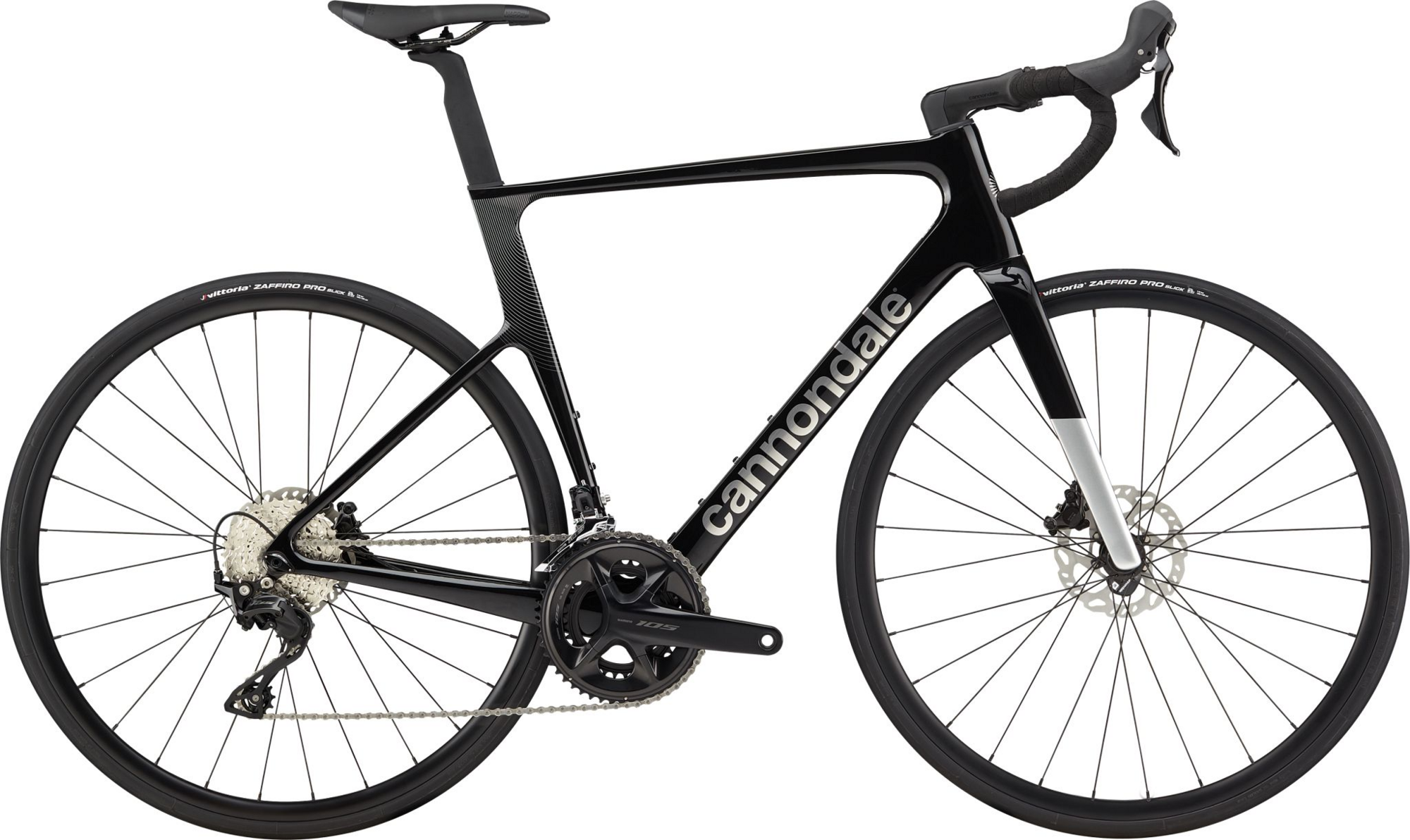
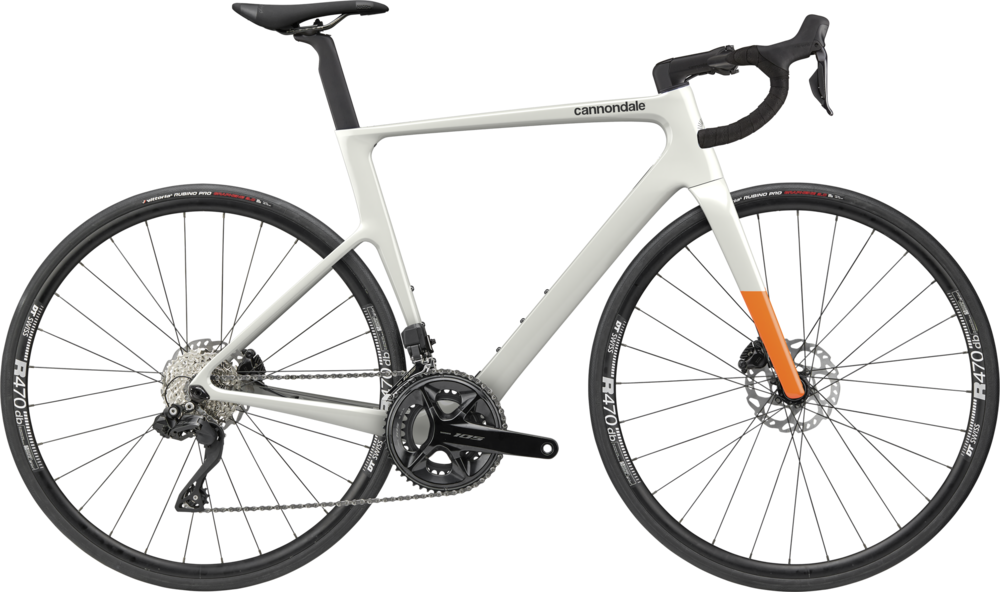
The SuperSix EVO is arguably the flagship Cannondale racing bicycle, designed for versatility across climbs, descents, and sprints. Launched in 2008 and continually updated, the latest iterations feature BallisTec carbon fiber construction for an ultra-light frame—often under 900 grams for the high-mod versions. Key specs include:
- Frame Material: Hi-MOD or standard BallisTec carbon.
- Groupset Options: From Shimano 105 to Dura-Ace Di2, or SRAM Force AXS with integrated power meters.
- Wheels: HollowGram carbon rims for reduced weight and improved aerodynamics.
- Weight: Starting around 7.5 kg for complete builds.
- Price Range: $3,000 to $15,000 depending on components.
Riders praise its balanced geometry, which provides stability without sacrificing agility. It’s ideal for gran fondos or competitive road races where every watt counts. The SuperSix EVO 1, for instance, comes with SRAM Force AXS 12-speed shifting for precise, wireless performance.

SystemSix: Aero Dominance for Speed Demons
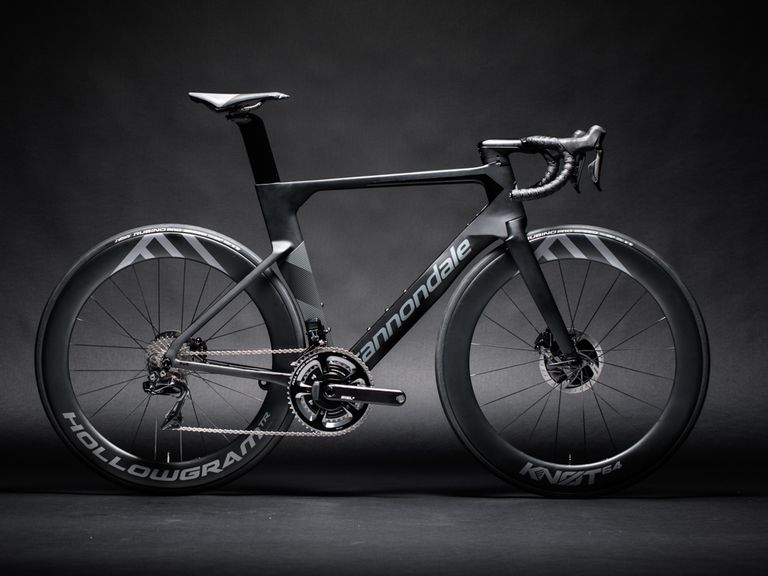
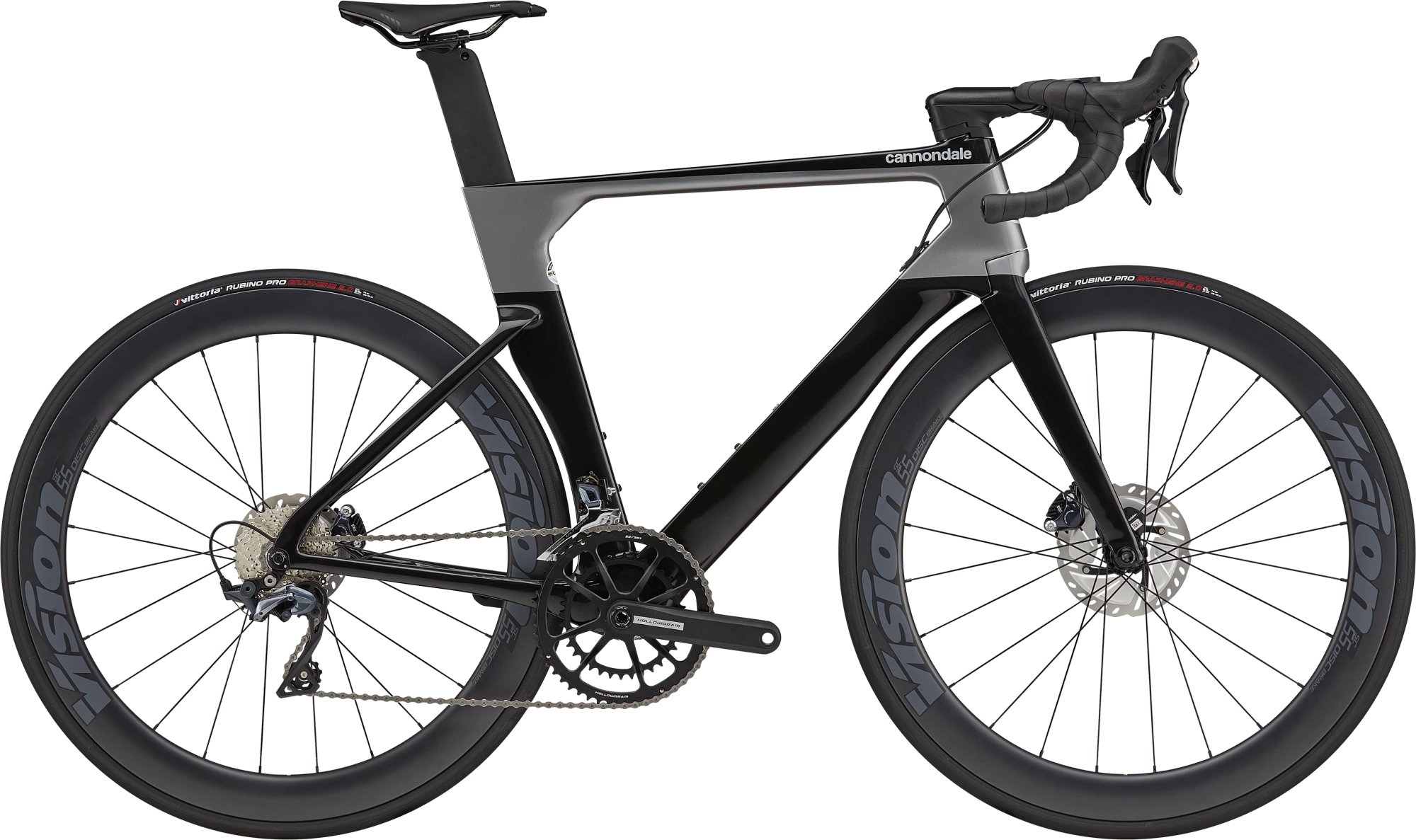
For those prioritizing flat-out speed, the SystemSix is Cannondale’s aero-optimized racing bicycle. Engineered to minimize drag, it integrates the frame, fork, seatpost, and wheels into a cohesive system that claims to save up to 50 watts at 30 mph compared to traditional road bikes.
Highlights include:
- Aero Features: Truncated airfoil shapes and hidden cables.
- Frame: BallisTec carbon with KNOT integrated components.
- Brakes: Disc brakes for superior stopping power in all conditions.
- Tires: Up to 30mm width for comfort without compromising speed.
- Models: From the Carbon Ultegra to Hi-MOD Dura-Ace.
This Cannondale racing bicycle excels in crits, time trials, and fast group rides. Reviews highlight its stability at high speeds and efficient power transfer, making it a favorite among sprinters.

CAAD13: Aluminum Excellence on a Budget
Not all Cannondale racing bicycles are carbon-exclusive. The CAAD13 revives the brand’s aluminum roots with modern twists, offering elite performance at a more accessible price point. It’s crafted from SmartForm C1 Premium Alloy, which rivals carbon in stiffness and ride quality.
Key attributes:
- Frame: Alloy with SAVE micro-suspension for vibration damping.
- Geometry: Race-oriented with short chainstays for quick handling.
- Components: Shimano 105 or Ultegra groupsets, disc brakes standard.
- Weight: Around 8.5 kg, competitive with entry-level carbon bikes.
- Price: Starting at $2,000.
The CAAD13 is perfect for entry-level racers or those who prefer the durability of aluminum. Users report it feels “lively” and responsive, often outperforming pricier competitors in real-world tests.
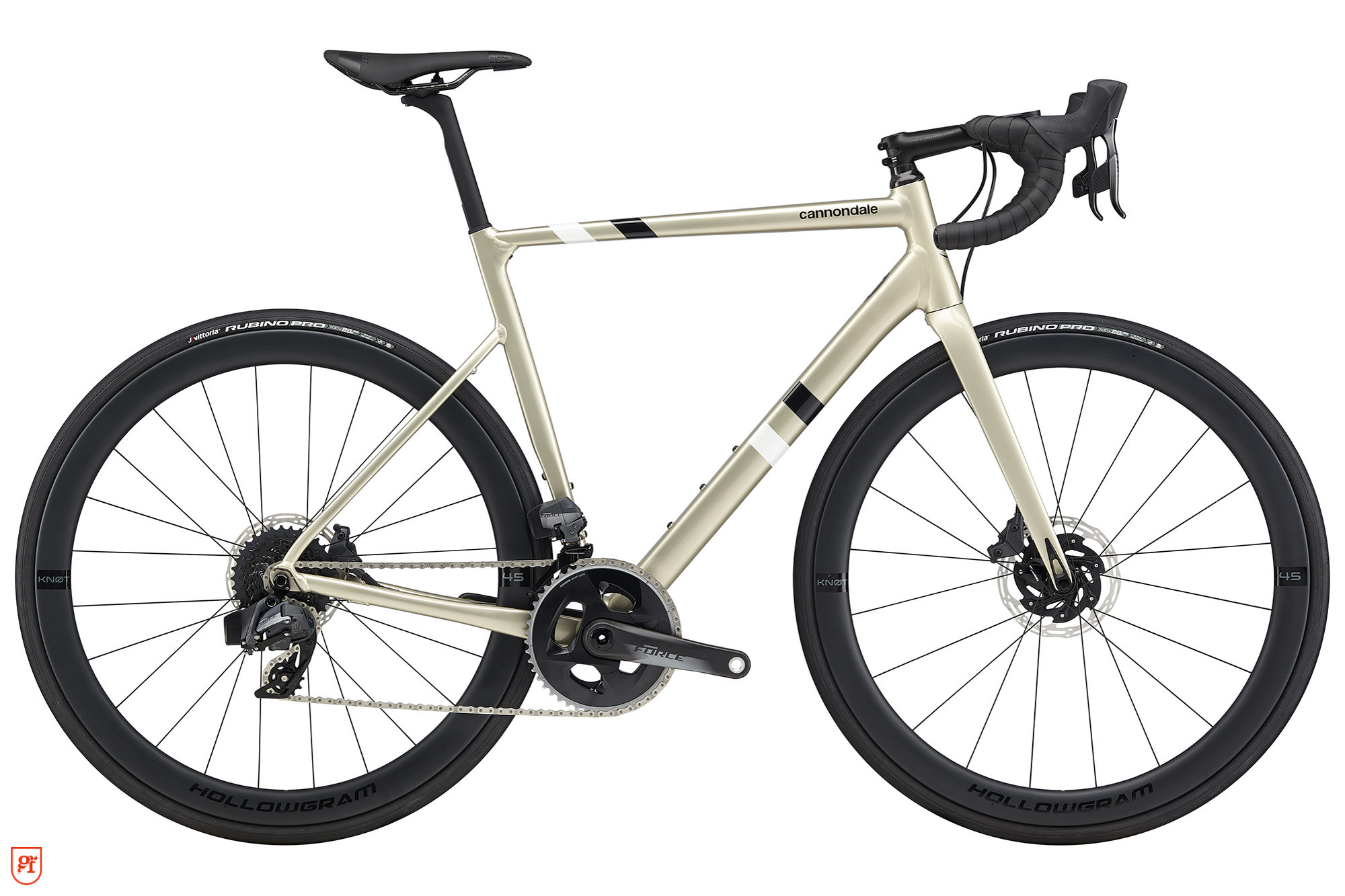
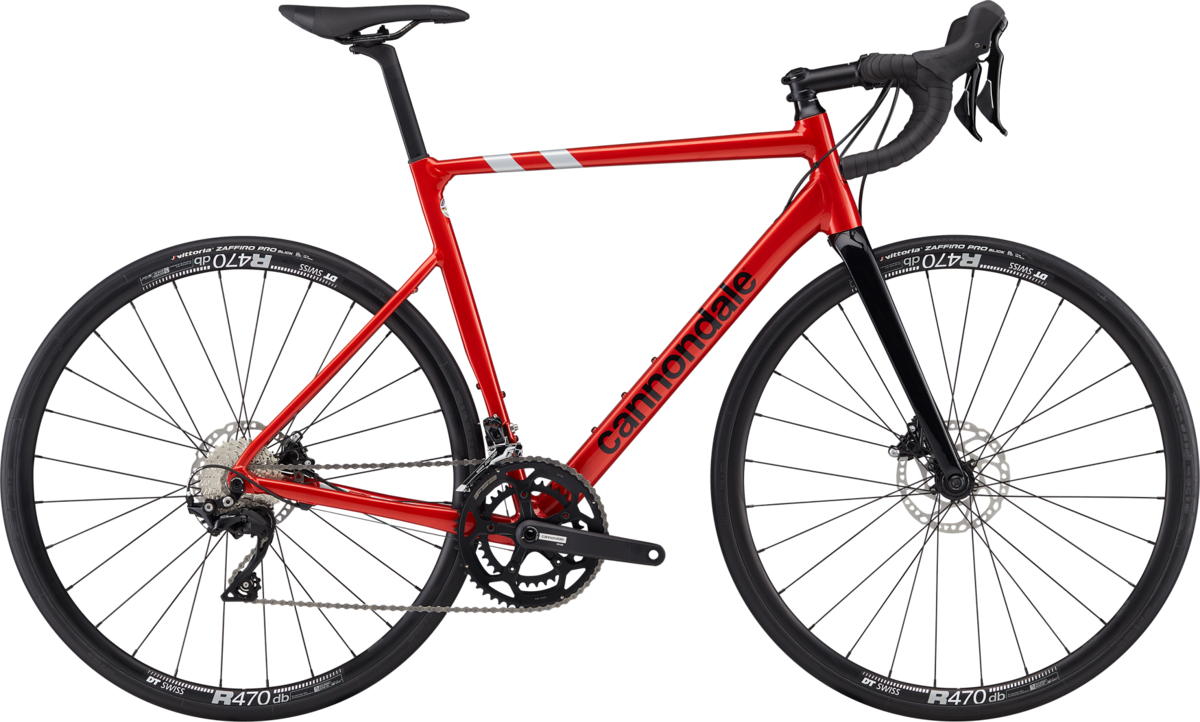
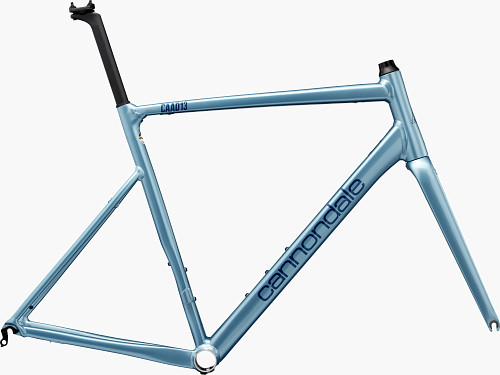
Other notable models include the CAAD Optimo for beginners and the SuperSlice for time trials, rounding out Cannondale’s racing portfolio.
Innovative Features and Technologies in Cannondale Racing Bicycles
What sets a Cannondale racing bicycle apart? It’s the proprietary technologies that enhance every ride.
- BallisTec Carbon: A layered carbon construction that optimizes strength, weight, and compliance. It’s used in premium models for a smooth yet stiff ride.
- SAVE System: Micro-suspension in the rear triangle absorbs road buzz, reducing fatigue on long races.
- KNOT Integration: Hidden cables and integrated components reduce drag by up to 10%.
- OutFront Geometry: Provides stable handling at speed, inspired by mountain bike designs.
- Power Pyramid Seat Tube: Enhances bottom bracket stiffness for better power transfer.
These features ensure that every Cannondale racing bicycle is not only fast but also comfortable and durable. For instance, the SystemSix’s aero design incorporates wind-tunnel testing, making it one of the most efficient bikes available.
In terms of materials, Cannondale balances carbon and aluminum effectively. While carbon offers weight savings, aluminum models like the CAAD13 provide value without compromise.
Benefits of Owning a Cannondale Racing Bicycle
Choosing a Cannondale racing bicycle means investing in performance that pays off. Benefits include:
- Speed and Efficiency: Aero profiles and lightweight builds help you go faster with less effort.
- Versatility: Models suit various terrains, from mountains to flats.
- Durability: Built to withstand rigorous training and racing.
- Community and Support: Strong dealer network and warranty (lifetime on frames for original owners).
- Resale Value: Cannondale bikes hold value well due to their reputation.
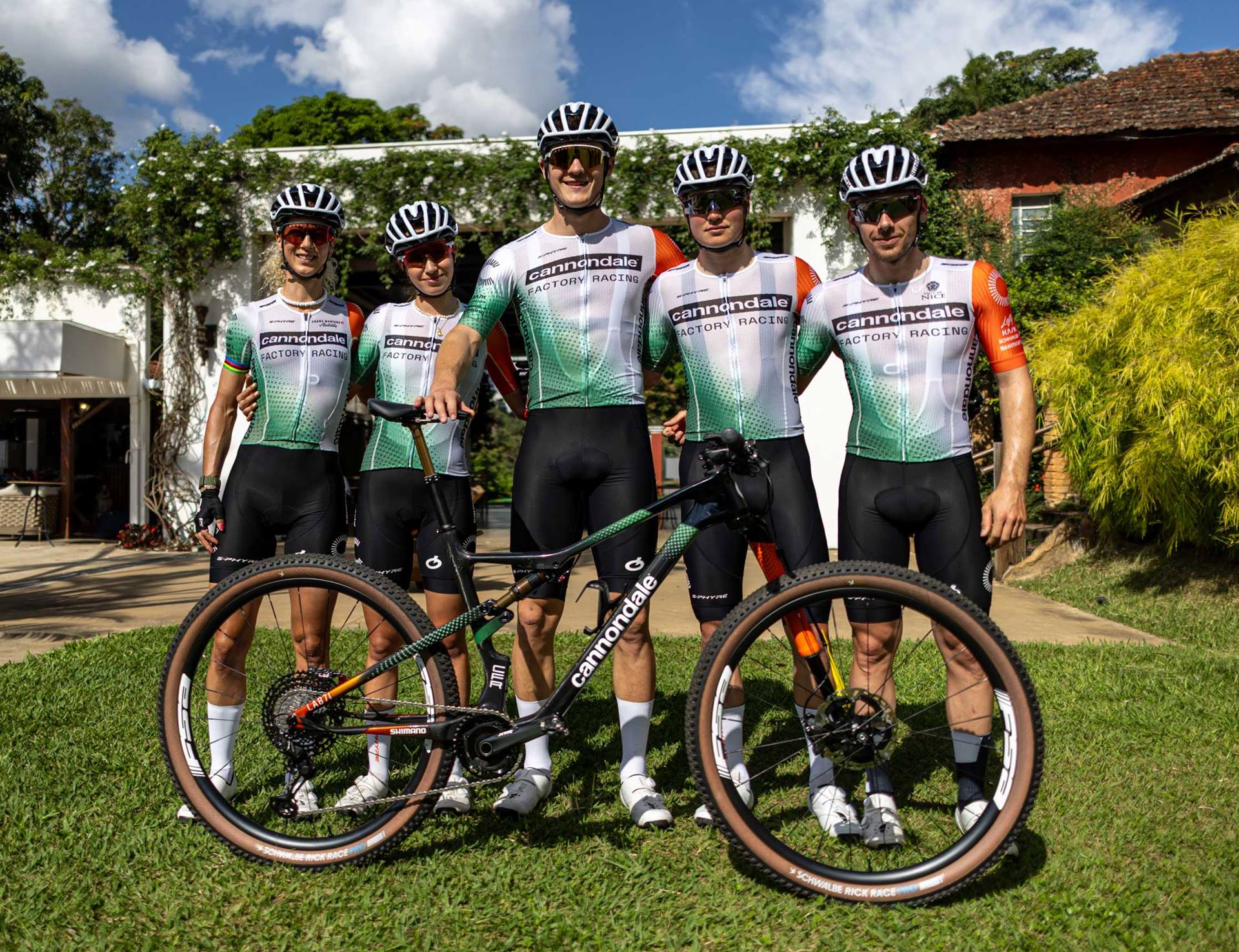
Professional teams’ success further validates these benefits. Riders from EF Pro Cycling often credit their Cannondale racing bicycles for edge in competitions.

Reviews and Real-User Experiences
Cyclists rave about Cannondale racing bicycles. On forums like Reddit, users describe them as “comparable to any top brand” with no major issues. A review of the SuperSix EVO highlights its stiffness and aerodynamics, calling it a “pure road race bike.” The CAAD13 earns praise for elevating aluminum construction, with riders noting its responsive feel.
Common pros: Excellent build quality, innovative designs, and race-proven performance. Cons: Higher-end models can be pricey, and some prefer more aggressive geometries from competitors.
Overall, satisfaction ratings hover around 4.5-5 stars across sites like BikeExchange and Cyclingnews.
Buying Guide: How to Choose Your Cannondale Racing Bicycle
Ready to purchase? Consider these steps:
- Assess Your Needs: Climber? Go SuperSix EVO. Sprinter? SystemSix. Budget-conscious? CAAD13.
- Size and Fit: Use Cannondale’s online fit tool or visit a dealer for a professional fitting.
- Components: Opt for electronic shifting for precision; disc brakes for safety.
- Budget: Entry-level at $2,000; pro-spec over $10,000.
- Test Ride: Always demo to feel the ride quality.
- Where to Buy: Official site, authorized dealers, or reputable online retailers like BikeExchange.
Maintenance tips: Regular chain cleaning, tire pressure checks (80-100 PSI), and annual servicing keep your Cannondale racing bicycle in top shape.
Conclusion: Why the Cannondale Racing Bicycle is Your Next Ride
In the competitive world of cycling, the Cannondale racing bicycle shines with its blend of history, innovation, and performance. Whether tackling a local crit or a multi-day tour, these bikes deliver the speed and reliability you crave. With models like the SuperSix EVO, SystemSix, and CAAD13, there’s a perfect fit for every rider. Invest in a Cannondale racing bicycle today and experience the thrill of the podium—right from your saddle. For more cycling insights, explore our other guides on road bikes and gear.
 English
  German