
Cannondale CAAD 10: The Ultimate Guide to This Legendary Aluminum Road Bike
If you’re a cycling enthusiast searching for a high-performance road bike that combines affordability, durability, and race-ready capabilities, the Cannondale CAAD 10 stands out as a timeless classic. Introduced as part of Cannondale’s renowned CAAD (Cannondale Advanced Aluminum Design) series, this model has earned a reputation for delivering carbon-like performance in an aluminum package. In this comprehensive guide, we’ll dive deep into everything you need to know about the Cannondale CAAD 10, from its history and key specifications to real-world performance reviews, pros, cons, and more. Whether you’re a beginner road cyclist or a seasoned rider looking to upgrade, this bike offers exceptional value that continues to impress even years after its release.
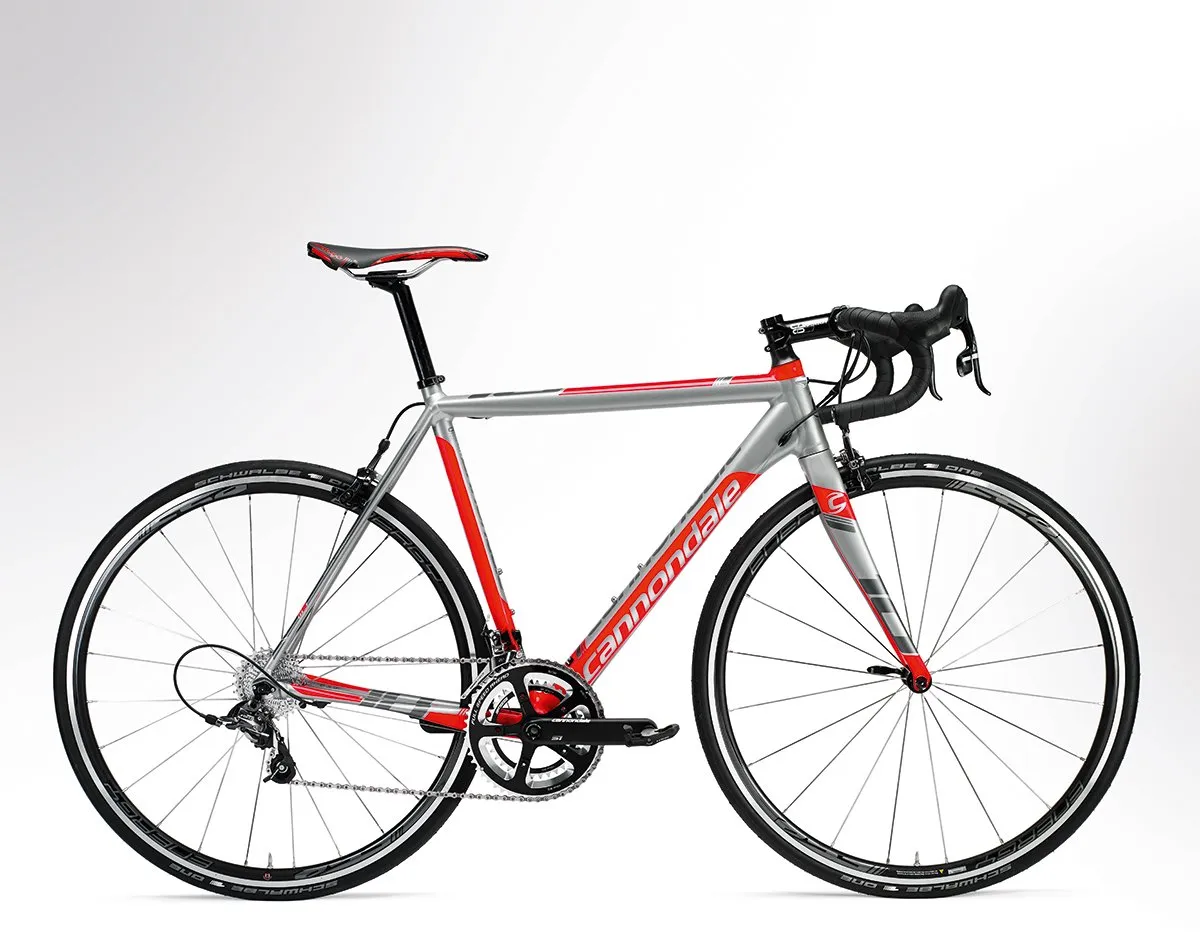
The History Behind the Cannondale CAAD 10
The story of the Cannondale CAAD 10 begins with Cannondale’s long-standing commitment to aluminum frame technology. Cannondale pioneered advanced aluminum welding and shaping techniques in the 1980s, revolutionizing the cycling industry at a time when steel dominated. The CAAD series, which stands for Cannondale Advanced Aluminum Design, evolved over decades, with each iteration pushing the boundaries of what aluminum could achieve in terms of lightness, stiffness, and ride quality.
The Cannondale CAAD 10 specifically debuted around 2010 as an update to the popular CAAD9 model. It represented the pinnacle of aluminum road bike engineering at the time, incorporating refinements like optimized tube shapes, a full carbon fork, and integrated cable routing for improved aerodynamics. According to reviews from that era, Cannondale focused on making the frame lighter without sacrificing strength, resulting in a bike that weighed in at around 17-18 pounds depending on the build—impressive for an aluminum setup. This model was part of a lineup that included various component groupsets, from Shimano 105 to SRAM Force, catering to different budgets and riding styles.
What made the Cannondale CAAD 10 a game-changer was its ability to compete with more expensive carbon fiber bikes. Cyclists praised it for bridging the gap between entry-level and pro-level performance, making it a favorite among amateur racers and club riders. Even today, in 2026, used models of the Cannondale CAAD 10 remain sought after on resale markets, proving its enduring appeal in an era dominated by carbon and electric-assist bikes.
Key Specifications of the Cannondale CAAD 10
When dissecting the Cannondale CAAD 10, it’s essential to start with its core specifications. The frame is crafted from Cannondale’s proprietary SmartFormed 6069 aluminum alloy, which undergoes a process of hydroforming and butting to create variable wall thicknesses. This results in a lightweight yet robust structure that’s optimized for power transfer and compliance.
- Frame Material: Aluminum (SmartFormed 6069 alloy)
- Fork: Full carbon fiber with alloy steerer (on some models; higher-end versions feature full carbon)
- Wheel Size: 700c
- Brakes: Caliper rim brakes (typically SRAM Force or Shimano equivalents)
- Drivetrain Options: Varied by model, including Shimano 105 (10-speed), Ultegra, or SRAM Force/Red
- Weight: Approximately 17-18 lbs (7.7-8.2 kg) for a complete bike in size 56cm
- Geometry: Race-oriented with a steep head angle (around 73 degrees) for responsive handling and a longer top tube for stability at speed
- Sizes Available: Typically from 48cm to 63cm, accommodating riders from about 5’2″ to 6’4″
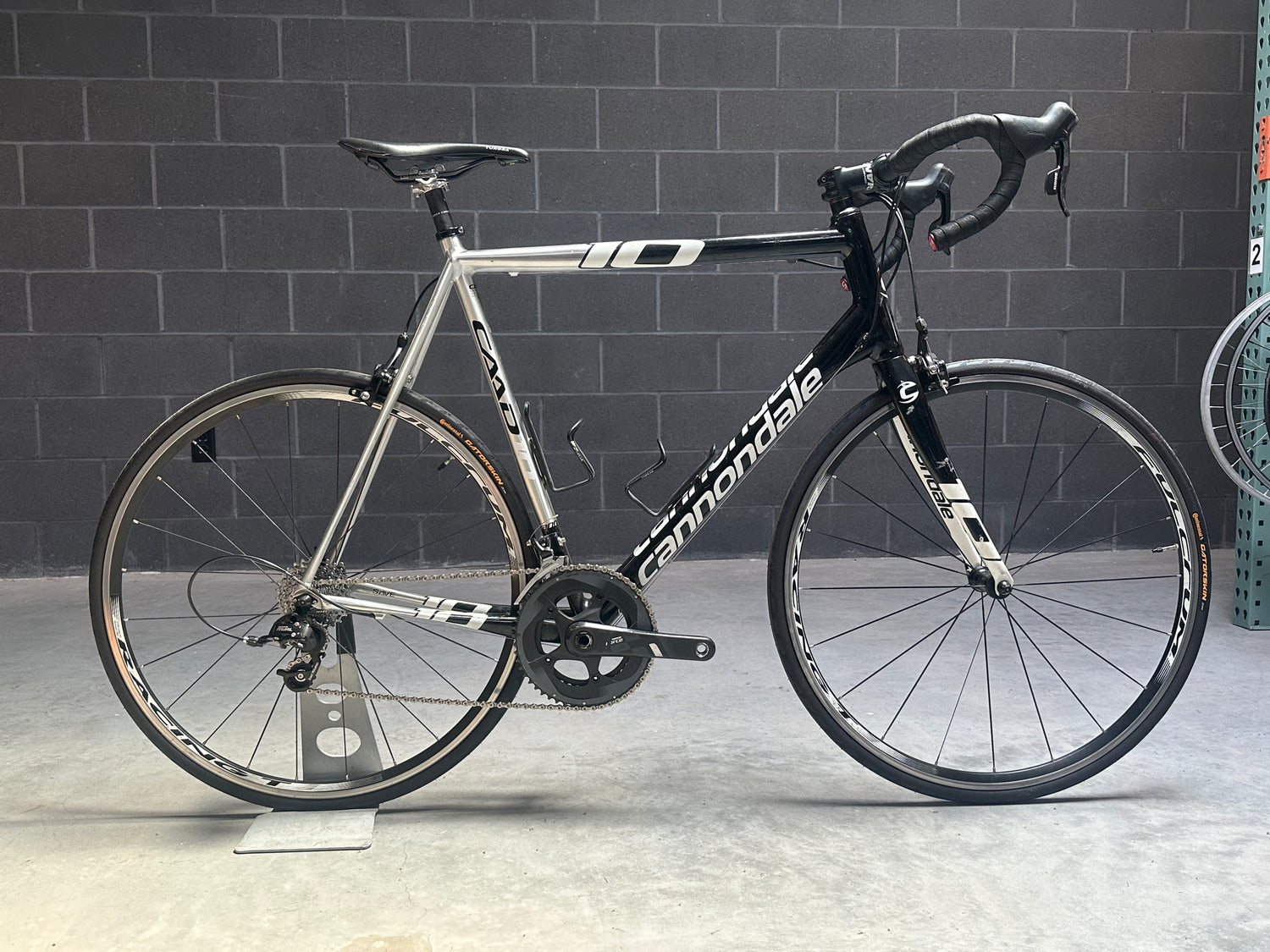
Higher-spec versions of the Cannondale CAAD 10, like the CAAD10 1 or Force Racing editions, came equipped with premium components such as carbon seatposts, aerodynamic rims, and compact cranksets for versatile gearing. For instance, a 2014 model might feature SRAM Force brakes and shifters, paired with a 50/34t chainring and 11-28t cassette, ideal for climbing and sprinting. These specs made it versatile enough for everything from weekend group rides to competitive crits.
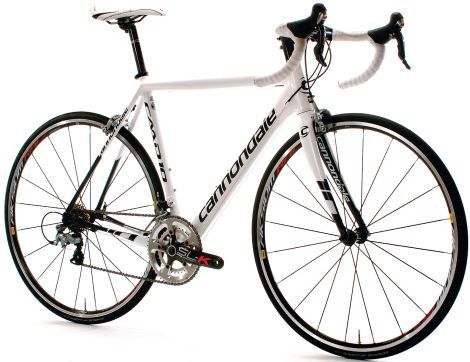
Standout Features That Set the Cannondale CAAD 10 Apart
One of the most celebrated aspects of the Cannondale CAAD 10 is its frame technology. The SAVE (Synapse Active Vibration Elimination) micro-suspension system in the rear stays absorbs road chatter, providing a smoother ride than traditional aluminum bikes, which are often criticized for being harsh. This feature, combined with the tapered head tube, enhances front-end stiffness for precise cornering and confident descents.
Aerodynamics play a role too, with hourglass-shaped seat stays and an integrated seatpost clamp that reduce drag. Riders often note the bike’s “lively” feel—it’s responsive under acceleration, thanks to the oversized bottom bracket shell that maximizes power efficiency. Additionally, the Cannondale CAAD 10’s carbon fork helps dampen vibrations from the front, making long rides more comfortable without adding unnecessary weight.
Customization was another strong suit. Owners could easily upgrade wheels, tires, or groupsets to personalize the bike. For example, swapping to lighter carbon wheels could shave off significant grams, bringing the overall weight closer to that of entry-level carbon bikes. This modularity contributed to its popularity among tinkerers and those on a budget.
Performance Review: How the Cannondale CAAD 10 Rides
In real-world testing, the Cannondale CAAD 10 excels in scenarios demanding speed and agility. Reviewers from outlets like Cyclist and BikeRadar describe it as “fast” and “sharp-handling,” with a stiff bottom bracket that translates pedal strokes into immediate forward momentum. On flat roads or rolling terrain, it feels punchy, making it ideal for sprints or maintaining high cadences in a peloton.
Climbing is where the lightweight aluminum frame shines—it’s not as feathery as modern carbon climbers, but at under 18 pounds, it holds its own on moderate hills. Descending inspires confidence due to the stable geometry and responsive steering. However, on rough pavement, some riders report a bit of buzz through the handlebars, though the SAVE technology mitigates much of this.
Endurance riders appreciate its comfort for longer distances. A 2015 review highlighted its versatility, noting that at 16.1 pounds for a 54cm frame, it’s comparable to pricier options and evolves with your skills. In videos from Iceland tests to urban commutes, the Cannondale CAAD 10 consistently earns praise for being an “awesome alloy racing road bike” that’s fun and reliable.
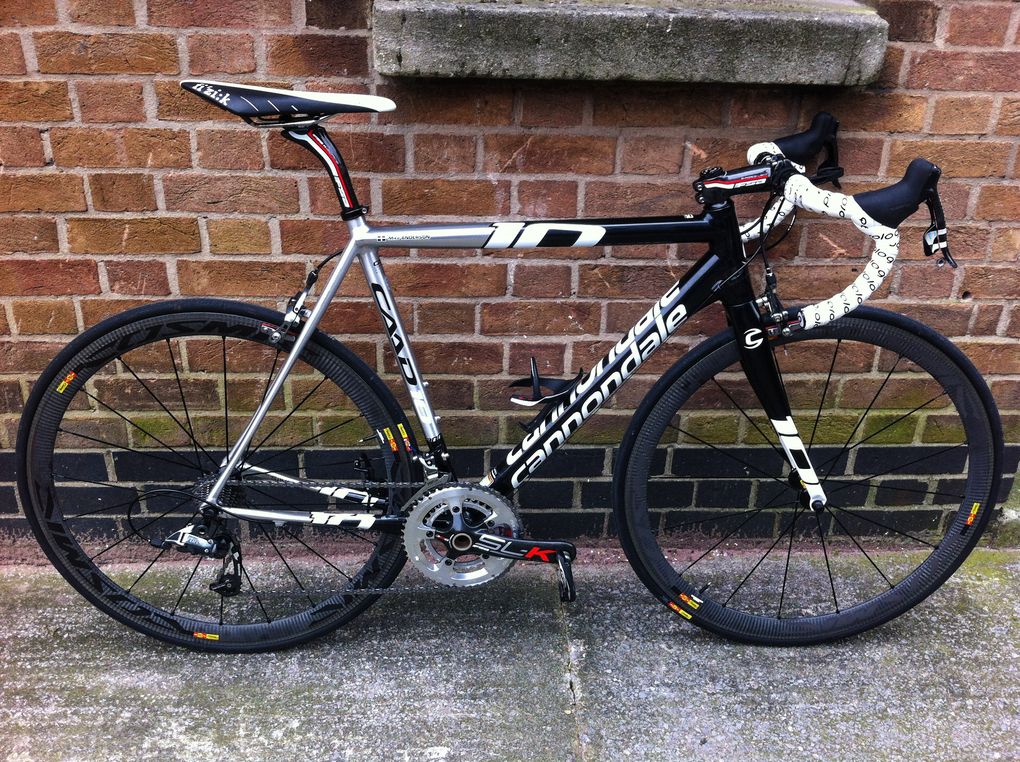
Pros and Cons of Owning a Cannondale CAAD 10
Like any bike, the Cannondale CAAD 10 has its strengths and weaknesses. Here’s a balanced look:
Pros:
- Exceptional Value: Offers high-end performance at a fraction of carbon bike costs.
- Durability: Aluminum frames are tough and resistant to crashes or rough handling.
- Lightweight for Alloy: Competitive weight that rivals some carbon models.
- Responsive Ride: Stiff and efficient, perfect for racing or spirited rides.
- Upgradability: Easy to customize with modern components.
Cons:
- Ride Harshness: Can feel buzzy on poor roads compared to full carbon bikes.
- Outdated Tech: Rim brakes and 10-speed drivetrains may feel old in 2026, with disc brakes now standard.
- Weight Penalty: Slightly heavier than contemporary carbon alternatives.
- Limited Availability: As a discontinued model, new units are rare; most are used.
Overall, the pros outweigh the cons for many, especially those prioritizing bang-for-buck.
Comparisons: Cannondale CAAD 10 vs. Modern Alternatives
How does the Cannondale CAAD 10 stack up against today’s bikes? Compared to its successor, the CAAD13, the CAAD 10 lacks disc brakes and wider tire clearance but offers similar ride feel at a lower price point on the used market. Against carbon options like the Trek Emonda ALR, the Cannondale CAAD 10 is more affordable and durable, though the Emonda provides better vibration damping.
For budget-conscious riders, it outperforms entry-level steel bikes in speed and lightness. Enthusiasts often call it a “superbike killer” for punching above its weight class. If you’re debating between alloy and carbon, the Cannondale CAAD 10 proves aluminum can still deliver elite performance.
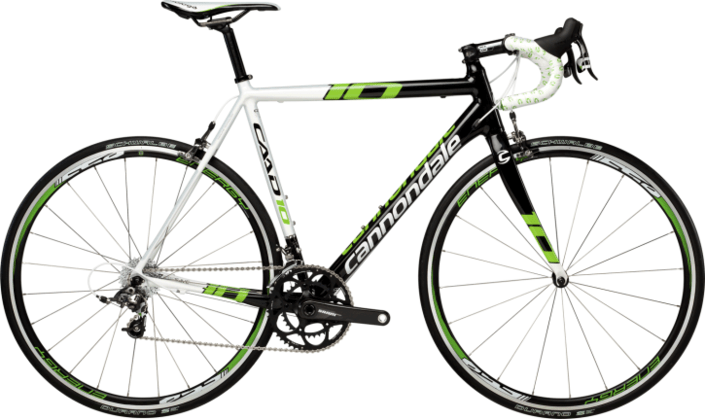
Who Should Buy the Cannondale CAAD 10?
The Cannondale CAAD 10 is perfect for aspiring racers, fitness cyclists, or commuters seeking a reliable daily rider. It’s ideal if you’re new to road biking and want something that grows with you—start with the stock setup and upgrade as needed. Seasoned riders appreciate it as a training bike or winter rig, thanks to its robustness.
If your budget is under $1,000 for a used model, this is a smart choice. However, if you prioritize the latest tech like electronic shifting or aero optimizations, look at newer Cannondale models.
Final Thoughts on the Cannondale CAAD 10
In summary, the Cannondale CAAD 10 remains a benchmark for aluminum road bikes, blending innovation, performance, and accessibility. Its legacy as one of the best alloy frames ever made endures, offering riders an exhilarating experience that’s hard to beat for the price. Whether you’re chasing personal bests or enjoying scenic routes, this bike delivers. If you’re in the market, hunt for a well-maintained used one and experience the magic firsthand.
 English
  German